
Communication Foundations
Your Child Has Plenty to Say. Being Understood Takes More Than Words.
Help your child express themselves clearly, listen to understand, and communicate respectfully, in person and online.
- 4Core Modules
- 32Lessons & Exercises
- 12Developmental Subskills
- 3Learning Programs
Why Do Conversations Go Wrong So Easily?
One-word answers, misread messages, and arguments that escalate fast. Often your child isn't being difficult. Clear communication is a skill still developing.
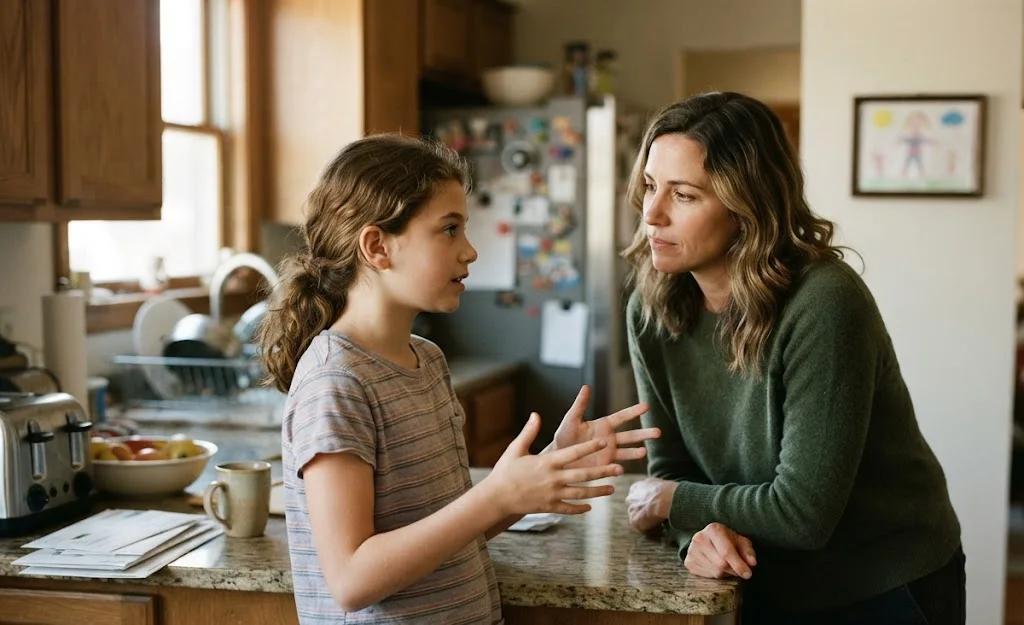
 Hard to Explain
The Words Don't Come Out Right
- They know what they mean but can't quite say it.
- Frustration grows when others misunderstand them.
- Some children stop trying and simply go quiet.
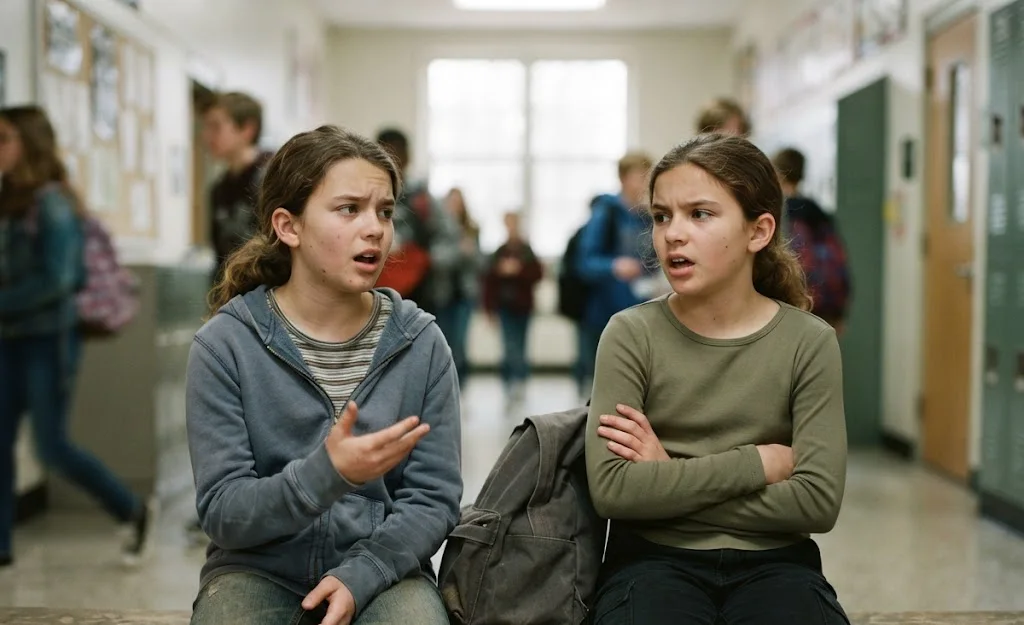 Not Really Listening
Waiting for Their Turn to Talk
- Conversations become about replying rather than understanding.
- Tone and body language send messages they don't intend.
- Small misunderstandings can turn into bigger arguments.
 Online Messages
Texts Lose Their Tone
- A quick message can easily be read the wrong way.
- Group chats move fast and leave little room to think.
- What they post can stay around longer than expected.
Communication isn't a talent some children simply have. It's a set of skills that can be learned, practiced, and gradually strengthened.
Why Communication Skills Matter More as They Grow
As children grow, more of their friendships, schoolwork, and independence depend on how well they express themselves and understand others.
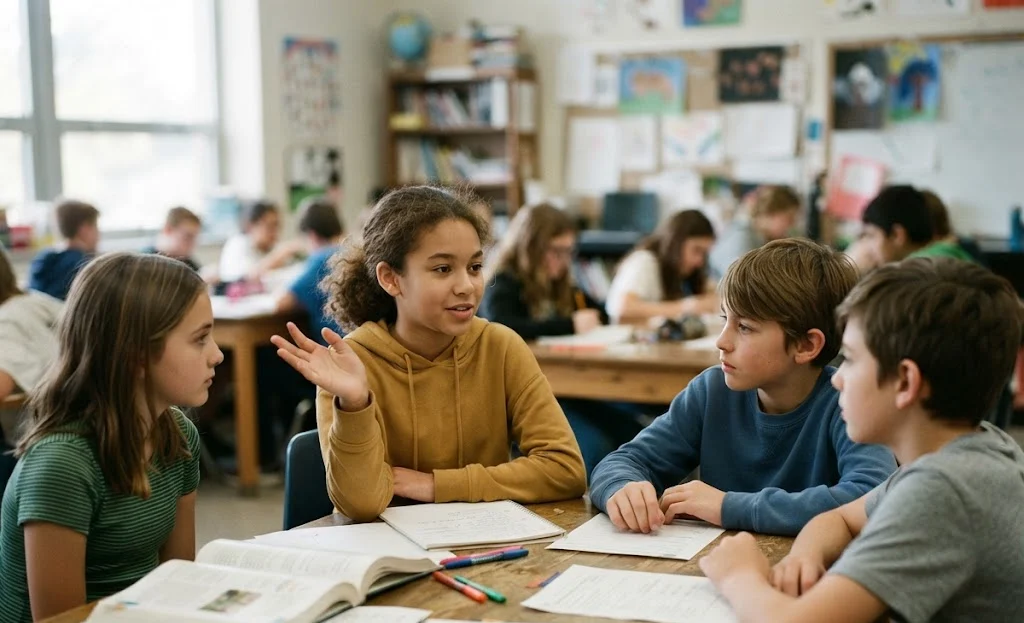
Conversations Carry More Weight
- Friendships depend on it. Listening, explaining, and working through disagreements help children build and keep relationships that matter to them.
- School asks them to speak up. Group projects, presentations, and asking for help all require clear, confident communication.
- More conversations happen online. Texts, group chats, and social media add new ways to be misunderstood, and new responsibilities.
- Disagreements become more frequent. Handling conflict calmly and respectfully keeps small issues from becoming lasting problems.
- Speaking up protects them. Assertive communication helps children express needs and set boundaries without being aggressive or passive.
The goal isn't a child who always says the perfect thing. It's one who can express themselves clearly and listen to understand.
What Communication Foundations Helps Your Child Develop
Good communication isn't one skill. The course breaks it into specific capabilities children can understand, practice, and strengthen in real conversations.
Saying What They Mean
Express thoughts clearly and precisely so others understand what they intend, in speech and in writing.
Listening to Understand
Give their full attention in conversations and understand what others mean, not just what they say.
Communicating Responsibly Online
Use digital communication thoughtfully, knowing that online messages and actions have real consequences.
Reflecting on Their Communication
Look back on past conversations to recognize what they do well and where they can grow.
Staying Calm in Hard Conversations
Manage their emotions during disagreements so the conversation stays respectful and productive.
Each capability supports the others: speaking clearly, listening closely, and staying calm help children connect, in person and online.
Inside the Course — Four Modules, From Essentials to Digital Citizenship
The course starts with communication essentials, moves to language and listening, works through common challenges, and finishes with communicating online.
- 01
Effective Communication Essentials
The core principles of clear, respectful communication.
- Understand the core principles of effective communication, including listening and empathy.
- Recognize how nonverbal cues, tone, and body language shape what others hear.
- Adjust their communication style to fit the person and the situation.
- Reflect on past conversations and set personal communication goals.
- 02
Language and Communication
Choosing words and tone, and listening with intention.
- Appreciate how word choice, tone, and cultural differences affect communication.
- Practice assertive communication that expresses needs and boundaries respectfully.
- Develop active listening skills to understand others more deeply.
- Recognize how body language and facial expressions communicate.
- 03
Communication Challenges
Working through tension, overload, and misunderstandings.
- Manage emotional tension in conversations and work through conflict calmly.
- Simplify their message so it doesn't overwhelm others in stressful moments.
- Adapt their communication to bridge language and cultural differences.
- Choose the right setting and limit distractions for important conversations.
- 04
Digital Citizenship and Communication
Communicating safely and respectfully online.
- Understand how technology has changed communication and why responsibility matters.
- Practice digital etiquette for respectful online conversations.
- Protect their privacy and build a positive digital footprint.
- Reflect on their digital habits and aim for positive online communication.
Course structure
- 4Modules
- 28Instructional Lessons
- 8Practice Activities
 Course badgeEcho Sphinx — The Amplifier
Together, the modules move children from understanding communication to using it well in conversations, conflicts, and online spaces.
From Learning to Real Life — How Your Child Practices Communicating
Knowing how to listen is easier than doing it in a heated moment. Communication grows through practice, reflection, and real conversations.
 01Learn
Understand How Communication Works
- Watch short animated lessons set in everyday conversations.
- See characters face misunderstandings, conflict, and online messages.
- Discover strategies like assertive statements and active listening.
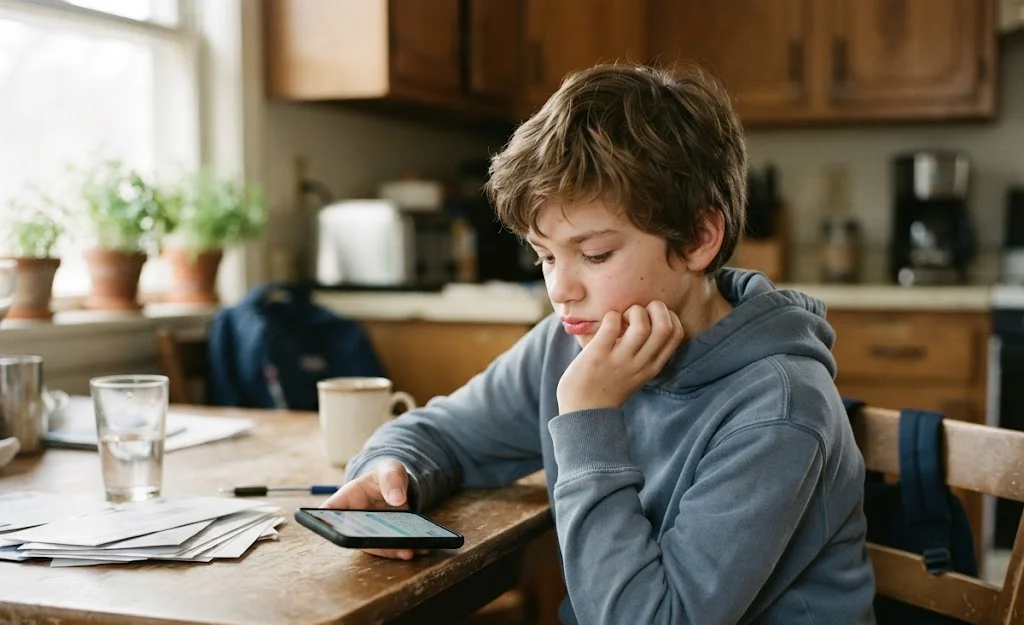 02Practice & Reflect
Think Through What to Say
- Work through scenario-based Try Its where available.
- Consider how different words and tones would land.
- Reflect on their own conversations in each module exercise.
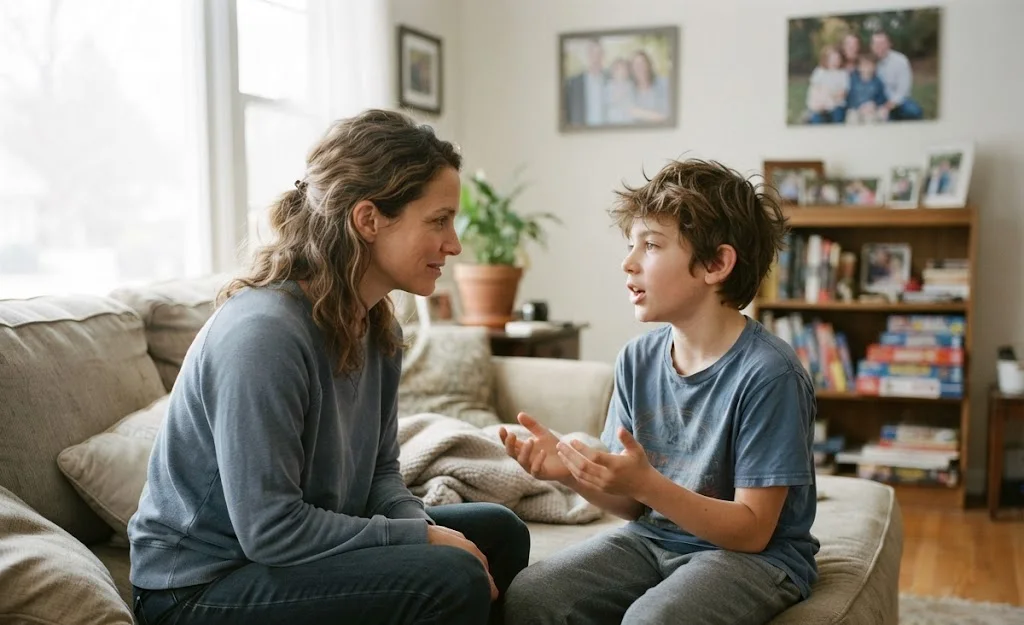 03Apply
Communicate Beyond the Screen
- Practice listening fully before replying at dinner.
- Use an "I feel" statement during a disagreement.
- Reread a message before sending it when upset.
- Talk with a parent about a conversation that went well.
Success isn't a perfect conversation every time. It's being understood a little more often, and understanding others better too.
What Research Tells Us About Listening, Online Life & Kindness
Researchers have studied how listening shapes conversations and how young people experience life online. These findings describe general patterns, not guarantees for any child.
- Listening Matters
Feeling heard supports well-being.
- Across five studies of 1,624 people, high-quality listening improved how speakers felt.
- This held even when the two people disagreed.
- The studies looked at conversations in general, not children specifically.
- Life Online
Much of their talk is online.
- In a 2024 survey of 1,391 U.S. teens, nearly half said they're online almost constantly.
- Nine in ten reported using YouTube.
- The survey covered ages 13–17, a little older than many Bloomster learners.
- Online Kindness Counts
Online hurt is common.
- More than one in six U.S. high school students reported being bullied electronically in the past year.
- About one in five reported being bullied on school property.
- These figures describe older students than most Bloomster learners.
The evidence points to everyday communication: listening well and treating others respectfully online both matter. Communication Foundations is built around those skills, without promising guaranteed results.
How Communication Foundations Supports Three Learning Journeys
The course appears in three programs. In each, it arrives at a different point and builds on different courses that came before it.
Why It Belongs in All Three
- In Foundations, it turns awareness into expression. After Emotional You: Managing Your Emotions, children practice putting feelings into words before Cultivating Empathy.
- In Leadership Development, it gives confidence a voice. Following Confident You: Believe in Yourself, children learn to share ideas clearly before Building Leadership Skills.
- In Emotional Skills, it connects judgment and relationships. After Making Responsible Choices, clear communication prepares children for Relationship Building Basics.
- In every program, it supports later courses. Clear communication carries into empathy, relationships, teamwork, leadership, and resolving conflict.
The Foundations ProgramCourse 3 of 7
- 1–2Two Earlier CoursesSelf-Awareness · Emotions
- 3This CourseCommunication FoundationsExpression & Listening
- 4Cultivating EmpathyPerspective-Taking
- 5–7Three Later CoursesRelationships · Social Safety · Gratitude
The Leadership Development ProgramCourse 2 of 7
- 1Confident You: Believe in YourselfSelf-Belief & Leadership Identity
- 2This CourseCommunication FoundationsExpression & Listening
- 3Building Leadership SkillsInitiative & Responsibility
- 4–7Four Later CoursesRelationships · Choices · Conflict · Teamwork
The Emotional Skills ProgramCourse 5 of 7
- 1–4Four Earlier CoursesSelf-Awareness · Emotions · Social Awareness · Choices
- 5This CourseCommunication FoundationsExpression & Listening
- 6Relationship Building BasicsTrust & Connection
- 7Conflict Resolution FoundationsNavigating Disagreements
In any program, the course isn't a standalone fix. It's one step in a longer sequence that gives communication skills time to develop.
Frequently Asked Questions About Communication Foundations
Practical answers about what your child will learn, what the course asks of your family, and how it fits into Bloomster's programs.
Who is Communication Foundations designed for?
It uses everyday situations relevant to children roughly 9 to 14. It is the third course in the Foundations Program, designed around ages 9–10, the second in the Leadership Development Program, and the fifth in the Emotional Skills Program, both of which work for children from 9 to 14.
What will my child learn in this course?
Children explore communication essentials, word choice and tone, active listening, body language, and assertive communication. They also practice handling emotional conversations and conflict, communicating across differences, and using digital communication respectfully, including protecting their privacy.
My child is quiet. Is this course trying to make them talk more?
No. Being quiet isn't a communication problem. The course helps children express what they mean when it matters, listen well, and set boundaries respectfully. A thoughtful, quiet child can be an excellent communicator.
How long does the course take?
Your child moves at their own pace. The four modules contain 28 short animated lessons, 8 practice activities, and a module exercise at the end of each. Inside a program, courses are spaced across roughly a year, which gives this one several weeks to settle into daily life.
How much time should my child spend on it each week?
We suggest two 30-minute learning sessions each week. Between sessions, everyday conversations at home give your child natural chances to try what they're learning. If a week gets missed, simply pick up again.
Do I need to be involved as a parent?
You don't need to teach the course. Protect the learning time, notice what your child is working on, and model the listening and respectful disagreement the course teaches. Bloom, the parent side of Bloomster, helps you follow along.
Does the course cover texting and social media?
Yes. Module 4 focuses on digital citizenship: how technology changes communication, online etiquette, privacy, and building a positive digital footprint. It centers on communicating respectfully and safely, and pairs well with your family's own rules about devices and apps.
Will this help my child handle arguments with friends?
It introduces strategies for that: staying calm, using assertive rather than aggressive language, listening to understand, and working through conflict respectfully. It can't promise fewer disagreements, but it gives children practical ways to handle them more constructively.
Can I enroll my child in this course by itself?
Bloomster is organized around learning journeys rather than single-course purchases. Communication Foundations is part of the Foundations, Leadership Development, and Emotional Skills programs, and it may also be recommended within a Personalized Course Journey. Finding your start shows where your child might begin.
How will I know whether my child is making progress?
Look for small signs: listening without interrupting, explaining feelings with words instead of slamming doors, rereading a message before sending it, or handling a disagreement more calmly. Progress is rarely a straight line.
Explore the Foundations, Leadership and Emotional Skills Programs — See the Bigger Journey
Communication is one capability among many. Each program connects it with self-awareness, empathy, relationships, and leadership over a year of learning.
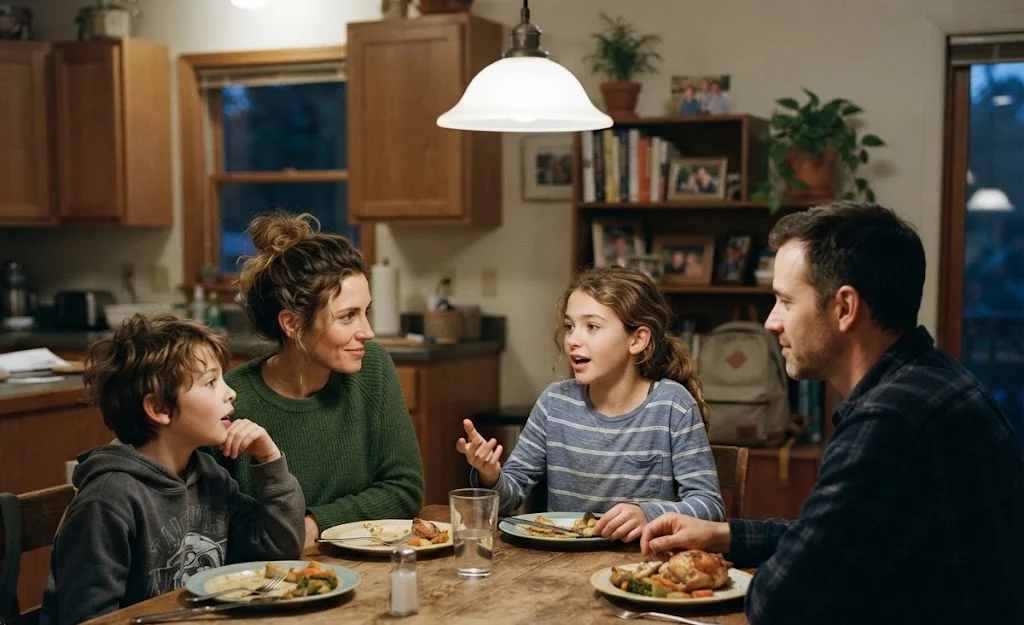
Communication Grows Alongside Other Skills
- This course builds clear expression, careful listening, and respectful communication online.
- Earlier courses develop the self-awareness and emotional understanding communication draws on.
- Later courses apply these skills to empathy, relationships, leadership, and resolving conflict.
- Steady practice across months gives these capabilities time to connect in everyday life.
Explore how each program sequences its seven courses, and which journey fits what your child needs right now.
 Free PDF · No account neededFree Effective Communication Guide for ParentsReal-life scenarios and questions to talk through communication with your child at home.
Communication isn't about always having the right words. It's about your child being understood, and understanding others in return.