
Mindful You: Living with Purpose
Life Moves Fast for Your Child. Mindfulness Helps Them Slow Down.
Help your child notice their thoughts and feelings, calm a busy mind, and choose how to respond with more purpose.
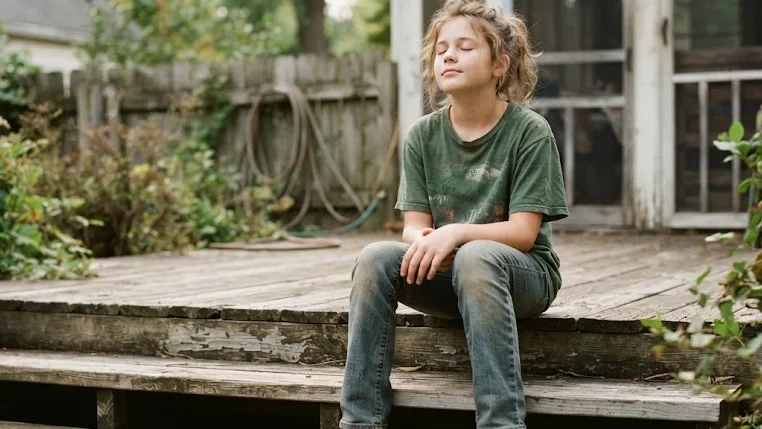
- 4Core Modules
- 32Lessons & Exercises
- 12Developmental Subskills
- 1Learning Program
Why Is It So Hard for Your Child to Slow Down?
Notifications, homework, and a full schedule leave little room to breathe. Often it isn't restlessness. They haven't learned how to pause.
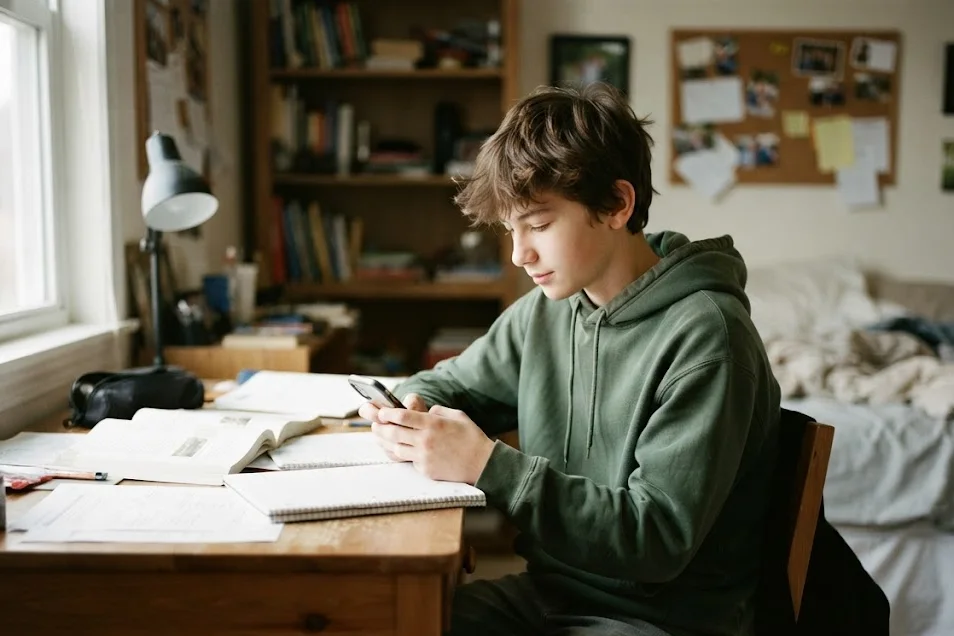 Always On
Screens Fill Every Gap
- Notifications pull attention in a dozen directions.
- Quiet moments get filled with scrolling.
- Focus slips without them noticing why.
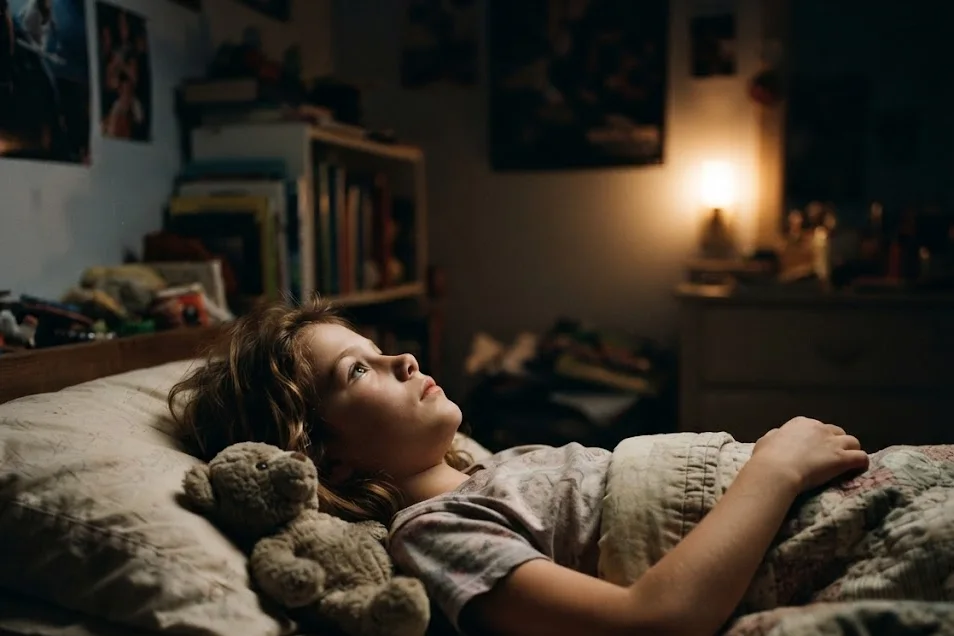 Racing Thoughts
A Busy Mind at Night
- Worries replay long after the day is over.
- Stress shows up as trouble sleeping or irritability.
- They may not notice the stress building.
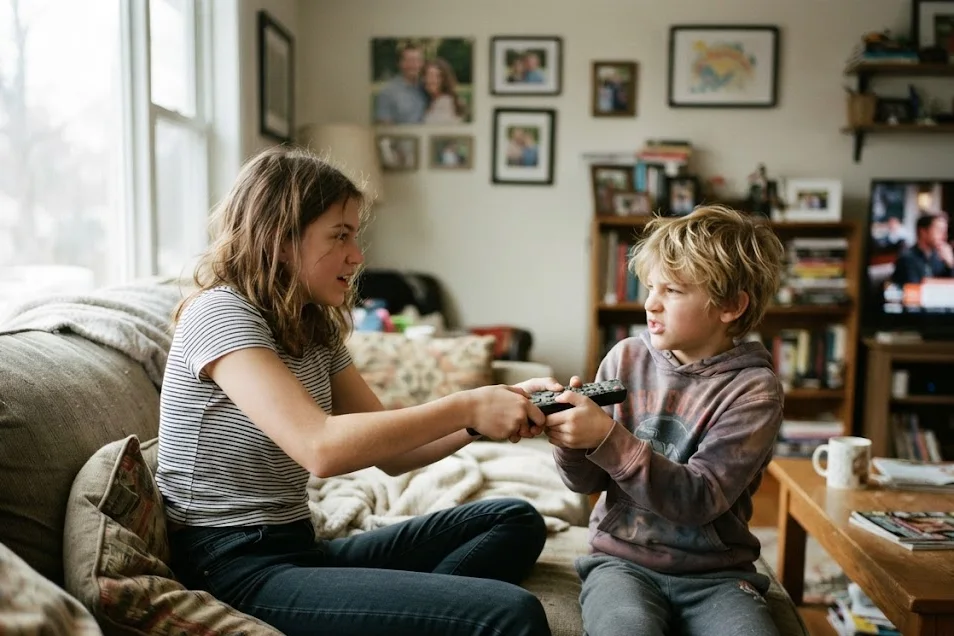 Quick Reactions
Responding Before Thinking
- Small frustrations turn into sharp words.
- Feelings take over before they can choose.
- Afterward, it's hard to explain what happened.
Mindfulness isn't something children either have or lack. It's a set of skills that can be learned, practiced, and woven into everyday life.
Why Mindfulness Matters More as They Grow
As children grow, their days fill with more demands and more screens. Learning to pause helps them notice what they feel and choose how to respond.
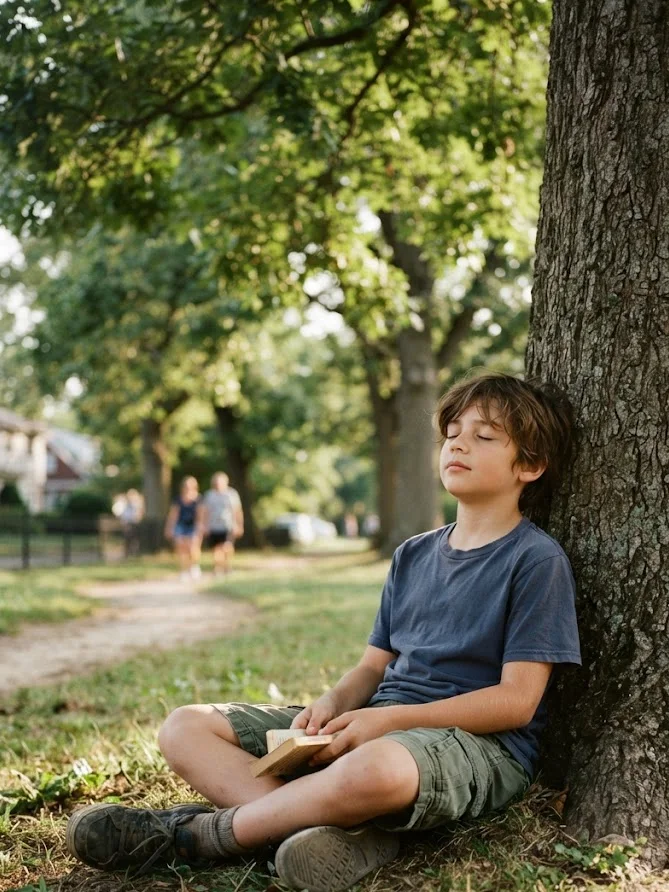
The Pace Is Picking Up
- Stress becomes more frequent. Harder schoolwork, activities, and friendships bring more pressure, and children need ways to steady themselves.
- Screens compete for attention. Learning to use technology on purpose helps children protect focus, sleep, and time for what matters.
- Emotions get more complex. Noticing thoughts and feelings before reacting helps children respond more thoughtfully in hard moments.
- Focus supports everything. Bringing full attention to one task at a time helps with schoolwork, sports, and conversations.
- Mindfulness isn't emptying the mind. It's noticing what's happening right now, with curiosity, and choosing what to do next.
The goal isn't a child who is always calm. It's one who can notice what's happening inside and choose how to respond.
What Mindful You: Living with Purpose Helps Your Child Develop
Mindfulness isn't one technique. The course breaks it into specific capabilities children can understand, practice, and build into daily life.
Being in the Present
Pay attention to the present moment instead of being pulled into worries or distractions.
Steady When Feelings Run High
Use mindfulness to notice strong emotions and respond with more calm and less reactivity.
Mindfulness in Everyday Life
Weave short mindful moments into routines, schoolwork, sports, and family time.
Seeing Thoughts and Feelings
Notice how thoughts shape feelings and actions, and gain space to choose differently.
Grounding Through the Senses
Use sight, sound, and touch to calm a racing mind and return to the moment.
Each capability supports the others: noticing the moment, understanding feelings, and grounding the body help children live with more calm and purpose.
Inside the Course — Four Modules, From Discovering to Living Mindfully
The course starts with what mindfulness really is, teaches core practices, applies them to real challenges, and ends with mindfulness as a daily habit.
- 01
Discovering Mindfulness
What mindfulness is, and what it isn't.
- Understand what mindfulness is and how it affects mental and emotional well-being.
- Notice personal thought patterns and emotional responses.
- Use sensory awareness to return attention to the present moment.
- Correct common misconceptions about what mindfulness requires.
- 02
Learning Mindfulness
Core practices they can actually use.
- Build core mindfulness skills for real-life situations.
- Use breathwork to support focus and relaxation.
- Practice journaling and mindful movement for stress relief.
- Learn mindful coping strategies for handling challenges calmly.
- 03
Applying Mindfulness
Using mindfulness in real challenges.
- Apply mindfulness to social conflicts and disagreements.
- Recognize how digital distractions affect focus and build mindful tech habits.
- Use mindfulness to support performance in sports and school.
- Strengthen family relationships through mindful interactions.
- 04
Mindfulness in Action
Making mindfulness a lasting habit.
- Build mindfulness into daily routines as a sustainable habit.
- Use mindfulness to slow down and make clearer decisions.
- Develop gratitude as a mindset that supports resilience.
- Learn to share mindful practices with friends and family.
Course structure
- 4Modules
- 28Instructional Lessons
- 8Practice Activities
 Course badgePhoenix — The Awakener
Together, the modules move children from understanding mindfulness to living it, in the moments that matter most.
From Learning to Real Life — How Your Child Practices Mindfulness
Breathing calmly is easy in a quiet room. Doing it before a test or during an argument takes practice, reflection, and real moments.
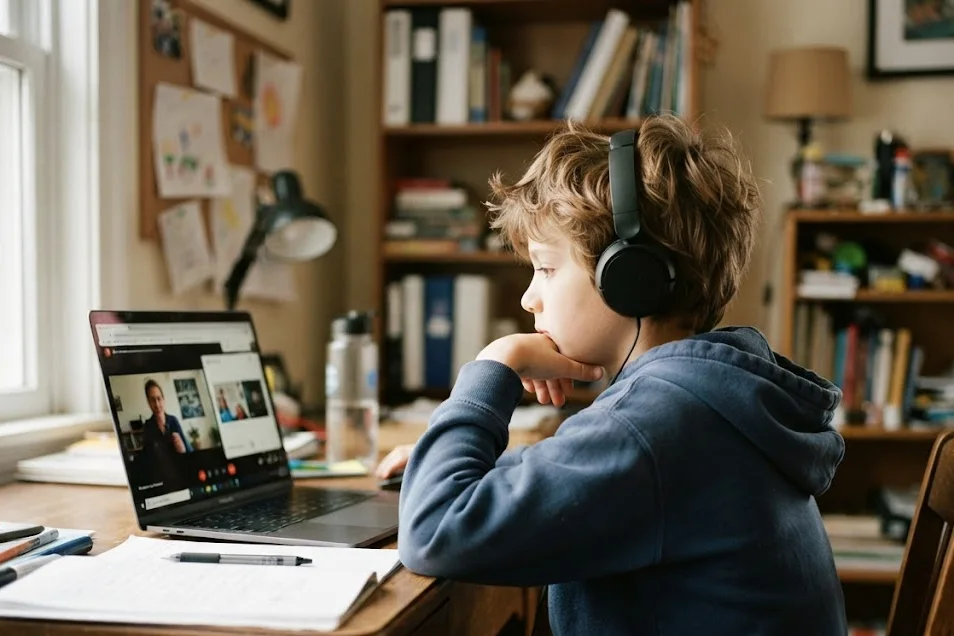 01Learn
Understand the Mind and Body
- Watch short animated lessons about stress, focus, and feelings.
- See characters use mindfulness in everyday situations.
- Discover practices like breathwork, grounding, and journaling.
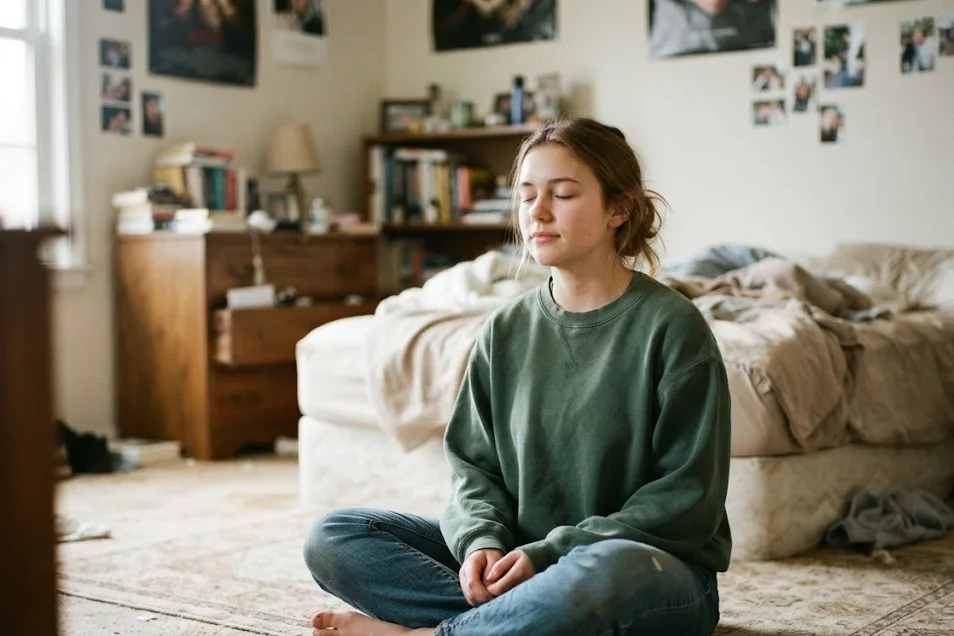 02Practice & Reflect
Notice and Pause
- Work through scenario-based Try Its where available.
- Try a short breathing or grounding practice.
- Reflect on what they noticed in module exercises.
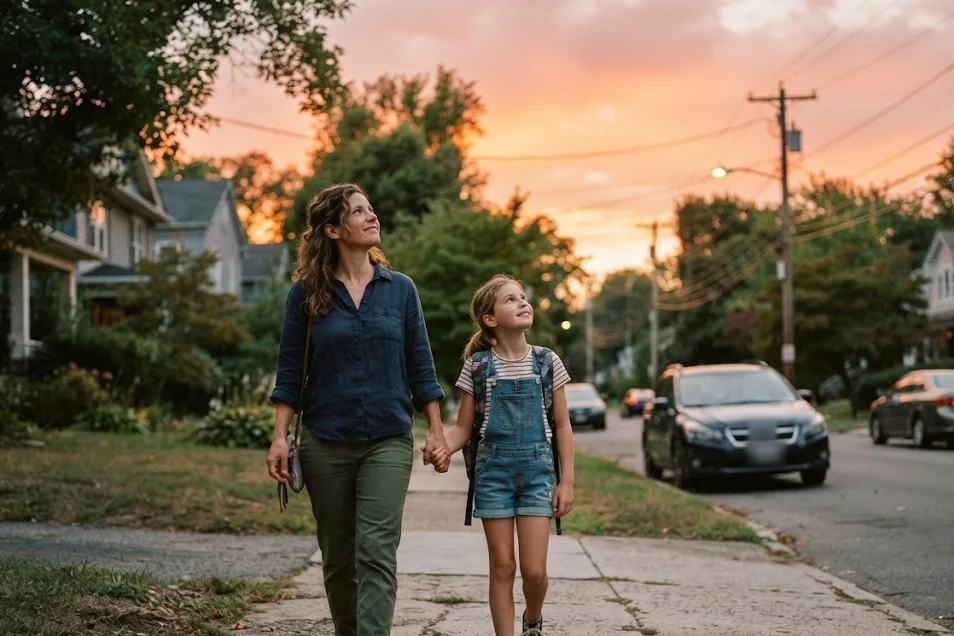 03Apply
Be Present Beyond the Screen
- Take three slow breaths before a stressful moment.
- Put the phone away during dinner or homework.
- Notice one thing they're grateful for each day.
- Talk with a parent about a moment they stayed calm.
Success isn't feeling calm all the time. It's noticing a little sooner and having a way to come back to the moment.
What Research Tells Us About Mindfulness, Stress & Gratitude
Researchers have studied mindfulness programs for young people, with mixed and honest results. These findings describe general patterns, not guarantees for any child.
- Small but Real Effects
Mindfulness can help young people.
- A review of 33 randomized trials covered 3,666 children and adolescents.
- Mindfulness programs showed small benefits, including for anxiety and stress.
- Against active comparison groups, fewer benefits held up.
- Not a Cure-All
School programs alone may not be enough.
- A large UK trial covered more than 8,000 students aged 11–14.
- A 10-lesson school mindfulness program did no better than usual teaching after a year.
- The researchers call for asking what works, for whom, and how.
- Gratitude Helps
Counting blessings supports well-being.
- In a study of 221 early adolescents, classes practiced noting things they were grateful for.
- They reported more optimism, life satisfaction, and less negative mood.
- Effects were measured over a few weeks, not long term.
The evidence points to patience: mindfulness tends to help modestly, and regular practice matters more than any single program. Mindful You: Living with Purpose is built around everyday practice, without promising guaranteed results.
Why Mindful You: Living with Purpose Opens the Readiness Program
In the Readiness Program, the course comes first. Calm, purposeful attention becomes the foundation for the decisions and responsibilities ahead.
Why It Comes First
- It starts with awareness. Noticing thoughts and feelings gives children a steady starting point before the program turns to bigger decisions.
- It prepares for responsible choices. Slowing down helps in Making Responsible Choices, the next course, where children weigh options and consequences.
- It supports independence. Mindful habits carry into problem-solving, online safety, money, and goal-setting later in the program.
- It returns at the end. The program closes with Meditation Foundation: Breath & Self-Awareness, building on the practices started here.
The Readiness ProgramCourse 1 of 7
- 101 — Start HereMindful You: Living with PurposePurpose & Values
- 2Making Responsible ChoicesJudgment & Decisions
- 3Developing SuperHuman Problem-Solving SkillsComplex Problem-Solving
- 4–7Four Later CoursesOnline Safety · Money · Goals · Mindfulness
The course isn't a standalone fix. It's the first step in a longer sequence that gives mindful habits time to develop.
Frequently Asked Questions About Mindful You: Living with Purpose
Practical answers about what your child will learn, what the course asks of your family, and how it fits into Bloomster's programs.
Who is Mindful You: Living with Purpose designed for?
It uses everyday situations relevant to children roughly 9 to 14. It is the first course in the Readiness Program, which is designed around ages 12–14. What your child is experiencing, like stress, distraction, or quick reactions, matters more than an exact age.
What will my child learn in this course?
Children learn what mindfulness is and isn't, how thoughts and feelings connect, and practices like breathwork, sensory grounding, journaling, and mindful movement. They apply mindfulness to conflict, technology, sports, school, and family life, and build a daily habit.
Is mindfulness religious?
No. The course teaches mindfulness as a practical, secular skill: paying attention to the present moment with curiosity. It focuses on focus, stress, emotions, and everyday choices, and doesn't involve any religious practice.
Is this course a treatment for anxiety or stress?
No. Mindful You: Living with Purpose is an educational course, not therapy or treatment. It teaches everyday skills many children find helpful. If your child's stress or anxiety is intense or persistent, talk with your pediatrician or a mental health professional.
How long does the course take?
Your child moves at their own pace. The four modules contain 28 short animated lessons, 8 practice activities, and a module exercise at the end of each. Inside the Readiness Program, courses are spaced across roughly a year, which gives this one several weeks to settle into daily life.
How much time should my child spend on it each week?
We suggest two 30-minute learning sessions each week, plus short practices between them. Mindfulness grows through brief, regular moments, like three slow breaths, more than long sessions. If a week gets missed, simply pick up again.
Do I need to be involved as a parent?
You don't need to teach the course. Protect the learning time, notice what your child is practicing, and try a practice together, like a mindful walk or a phone-free dinner. Bloom, the parent side of Bloomster, helps you follow along.
Will this help my child use their phone less?
Module 3 explores how digital distractions affect focus and how to use technology on purpose. The course doesn't set screen rules for your family, but it helps your child notice their habits, which pairs well with your own household guidelines.
Can I enroll my child in this course by itself?
Bloomster is organized around learning journeys rather than single-course purchases. Mindful You: Living with Purpose is part of the Readiness Program, and it may also be recommended within a Personalized Course Journey. Finding your start shows where your child might begin.
How will I know whether my child is making progress?
Look for small signs: taking a breath before reacting, noticing when they're stressed, putting the phone down to focus, or mentioning something they're grateful for. Progress is rarely a straight line, and a stressful week is not a failure.
Explore the Readiness Program — Start the Journey
Mindfulness is where the Readiness Program begins. The program builds on it with decisions, problem-solving, online safety, money, and goals.
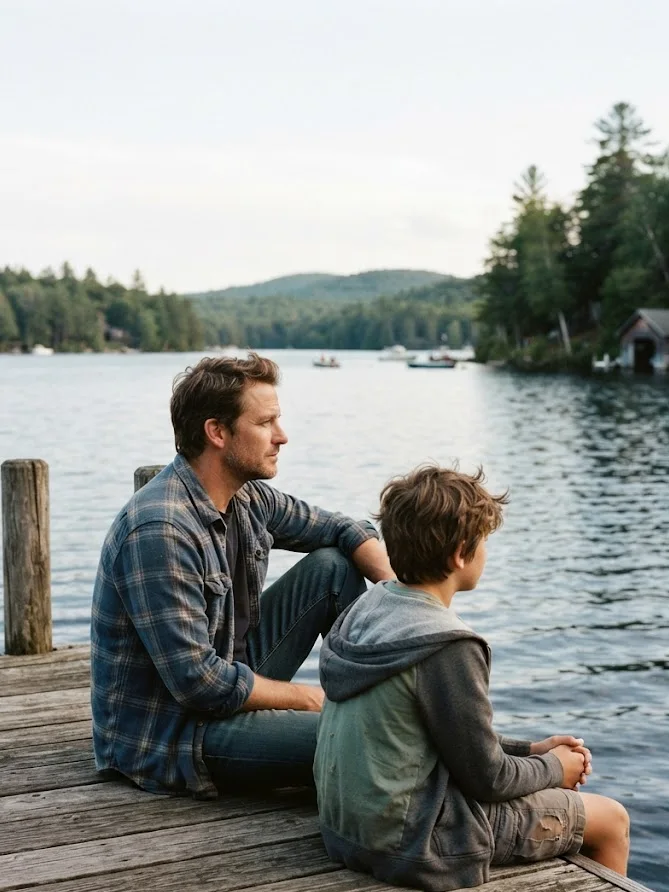
Mindfulness Grows Alongside Other Skills
- This course builds the ability to pause, notice, and respond with purpose.
- Later courses apply that calm attention to decisions, problems, and online life.
- The program closes with Meditation Foundation: Breath & Self-Awareness, deepening these practices.
- Steady practice across months gives these capabilities time to connect in everyday life.
Mindfulness isn't about having a quiet mind. It's about your child noticing what's happening and choosing what comes next.