
Conflict Resolution Foundations
Disagreements Will Happen. Your Child Can Learn to Work Them Out.
Help your child stay calm in a disagreement, understand the other side, and find solutions that work for everyone.
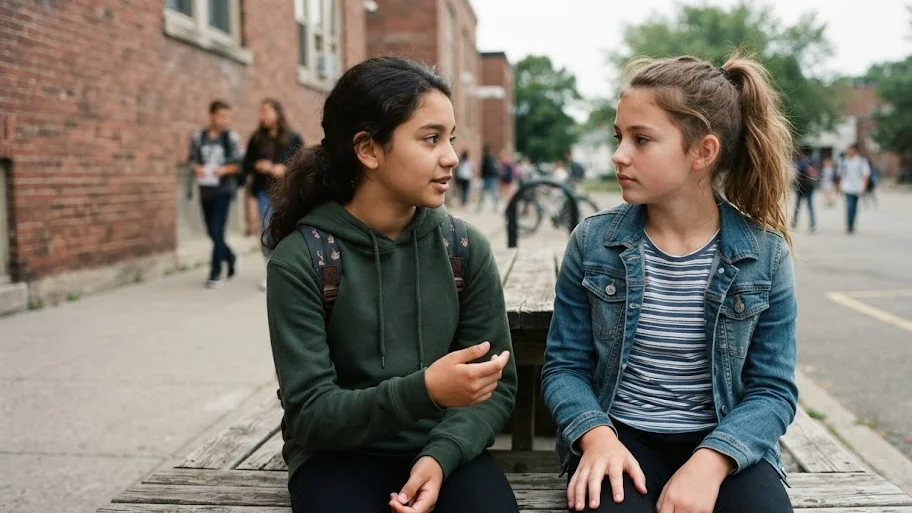
- 4Core Modules
- 32Lessons & Exercises
- 11Developmental Subskills
- 3Learning Programs
Why Do Disagreements Turn Into Big Fights?
A small argument with a sibling or friend escalates fast, or your child shuts down entirely. Often it isn't stubbornness. Resolving conflict takes skills still developing.
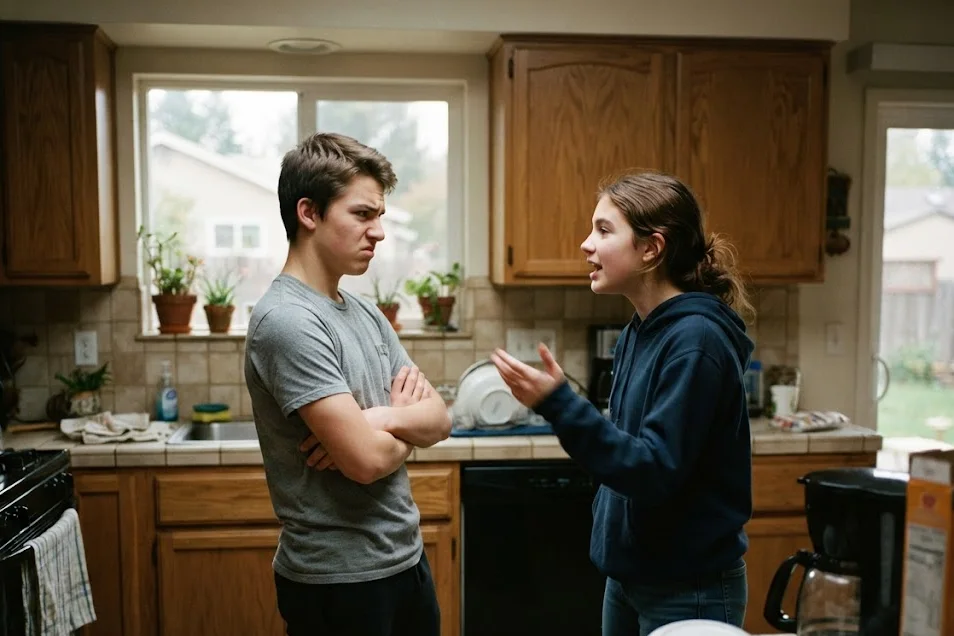 Heating Up Fast
From Zero to Shouting
- Feelings take over before they can think.
- Small disagreements grow into big ones.
- Words are said that they later regret.
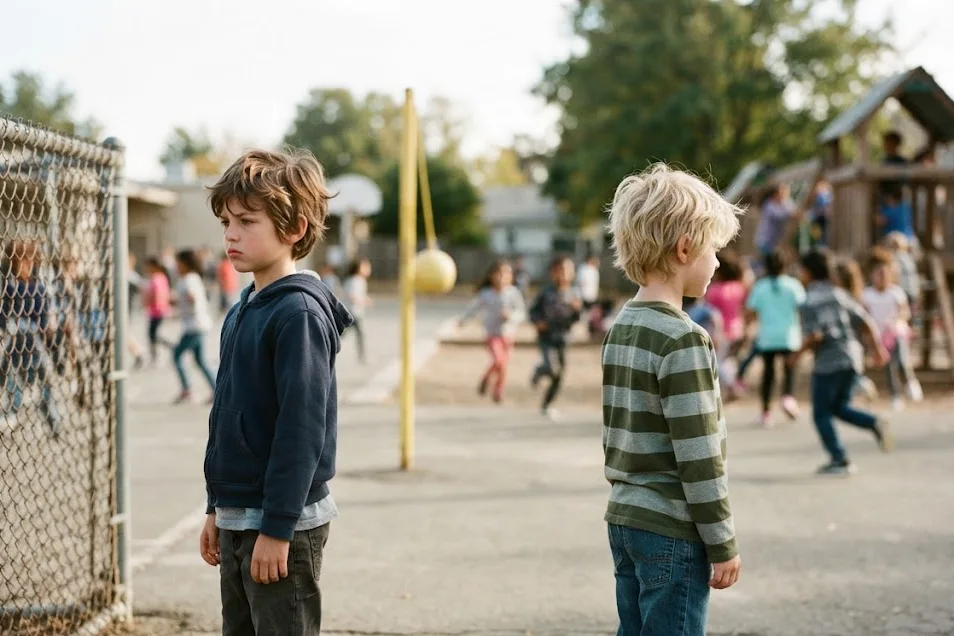 Not Listening
Only One Side Matters
- Each side wants to be heard, but no one listens.
- Body language and tone add fuel to the fire.
- Misunderstandings get mistaken for bad intentions.
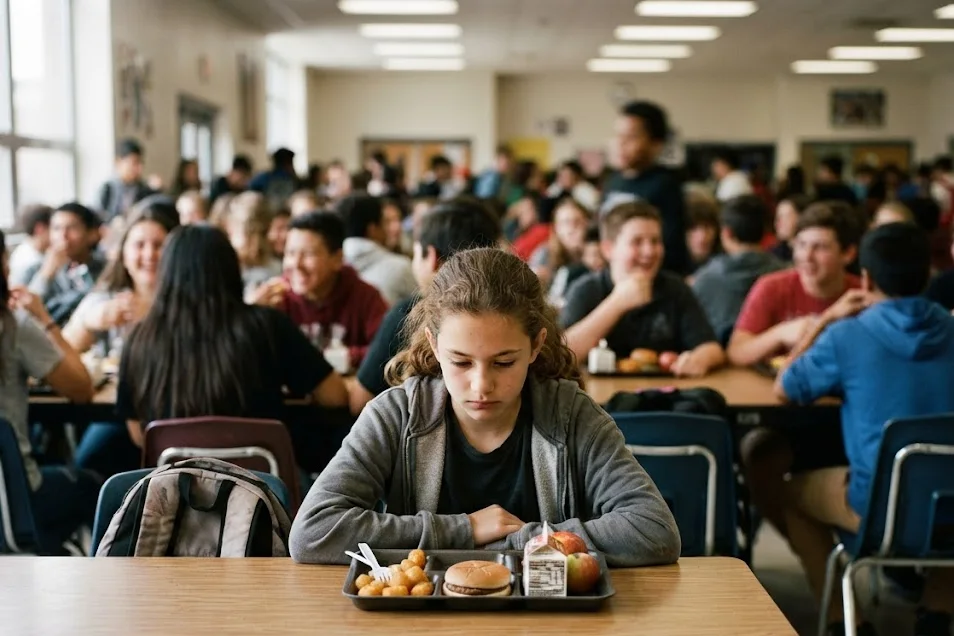 Avoiding It
Shutting Down Instead
- Some children go quiet to avoid any conflict.
- Problems stay unresolved and resentment builds.
- Friendships can drift without anyone saying why.
Handling conflict well isn't a personality trait. It's a set of skills that can be learned, practiced, and gradually strengthened.
Why Conflict Skills Matter More as They Grow
As children grow, their friendships, teams, and family relationships get more complex. How they handle disagreements shapes whether those relationships grow stronger.
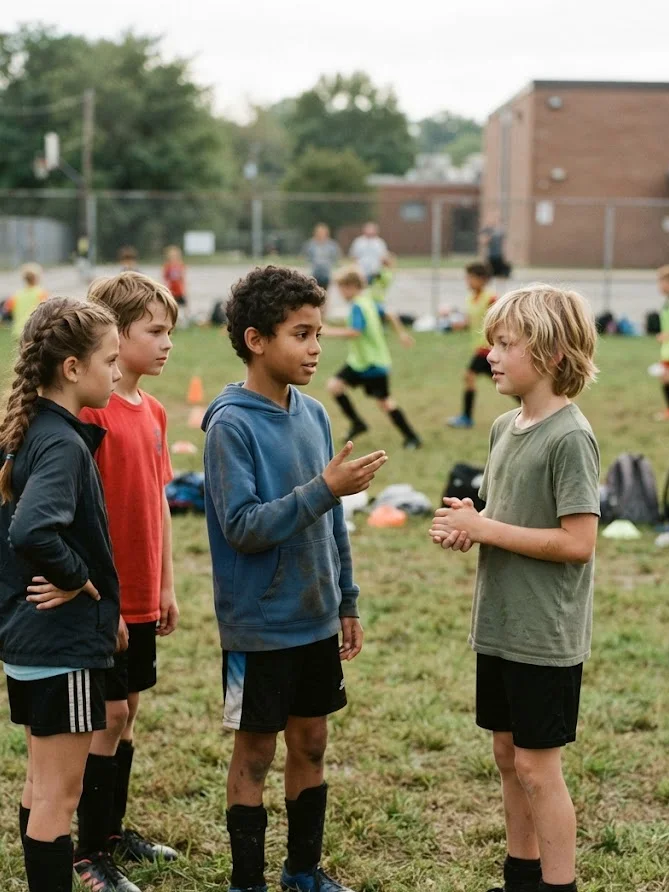
Relationships Are Getting More Complex
- Friendships face more tests. Disagreements, misunderstandings, and changing friend groups ask children to repair rather than walk away.
- Group work needs cooperation. Projects, sports, and clubs depend on children who can disagree and still reach a decision together.
- Online conflict moves fast. Arguments in group chats can escalate quickly, making calm, clear communication even more important.
- Family conflict is normal. Learning to work through disagreements at home builds skills children use everywhere else.
- Conflict isn't always bad. Handled well, disagreements can lead to better understanding, better solutions, and stronger relationships.
The goal isn't a child who never disagrees. It's one who can work through conflict and keep the relationship intact.
What Conflict Resolution Foundations Helps Your Child Develop
Resolving conflict isn't one skill. The course breaks it into specific capabilities children can understand, practice, and strengthen over time.
Spotting Conflict Early
Recognize their personal triggers and notice when a disagreement is starting to heat up.
Listening First
Use active and reflective listening to understand the other person, even in a disagreement.
Finding Solutions Together
Look for solutions that work for everyone involved, not just winning the argument.
Seeing the Other Side
Understand situations from the other person's perspective, which helps tension come down.
Staying Steady in Arguments
Use calming techniques and positive self-talk to keep a clear head when emotions run high.
Each capability supports the others: noticing triggers, listening, and seeing the other side help children turn disagreements into solutions.
Inside the Course — Four Modules, From Understanding to Empathy
The course starts with what conflict is, explores its causes, teaches emotional management, and ends with perspective-taking and empathy.
- 01
Understanding Conflict
What conflict is and how they tend to handle it.
- Understand what conflict is and the common sources of disagreement.
- Identify personal emotional triggers and techniques for staying calm.
- Assess their own conflict style and practice assertive, constructive responses.
- Develop negotiation and compromise skills for win-win solutions.
- 02
Causes of Conflict
Listening, body language, and perspective.
- Build active and reflective listening that prevents misunderstandings.
- Read body language and unspoken signals in a disagreement.
- Practice seeing situations from the other person's point of view.
- Learn when bringing in a trusted mediator is the right move.
- 03
Managing Emotions in Conflict
Staying calm when feelings run high.
- Identify and name feelings that drive their actions in conflict.
- Use mindfulness and positive self-talk to stay calm under pressure.
- Tune into others' emotions to prevent escalation.
- Channel negative feelings into better decisions instead of worse ones.
- 04
Perspective Taking and Empathy
Understanding others to resolve conflict.
- Understand and appreciate different viewpoints during conflicts.
- Ask open-ended questions that open up dialogue.
- Stay composed and focused during difficult conversations.
- Balance multiple perspectives to resolve group conflicts together.
Course structure
- 4Modules
- 28Instructional Lessons
- 9Practice Activities
 Course badgeArmadillo — The Noticer
Together, the modules move children from understanding conflict to resolving it with empathy and clear communication.
From Learning to Real Life — How Your Child Practices Resolving Conflict
Knowing how to listen calmly is easier than doing it mid-argument. Conflict skills grow through practice, reflection, and real disagreements.
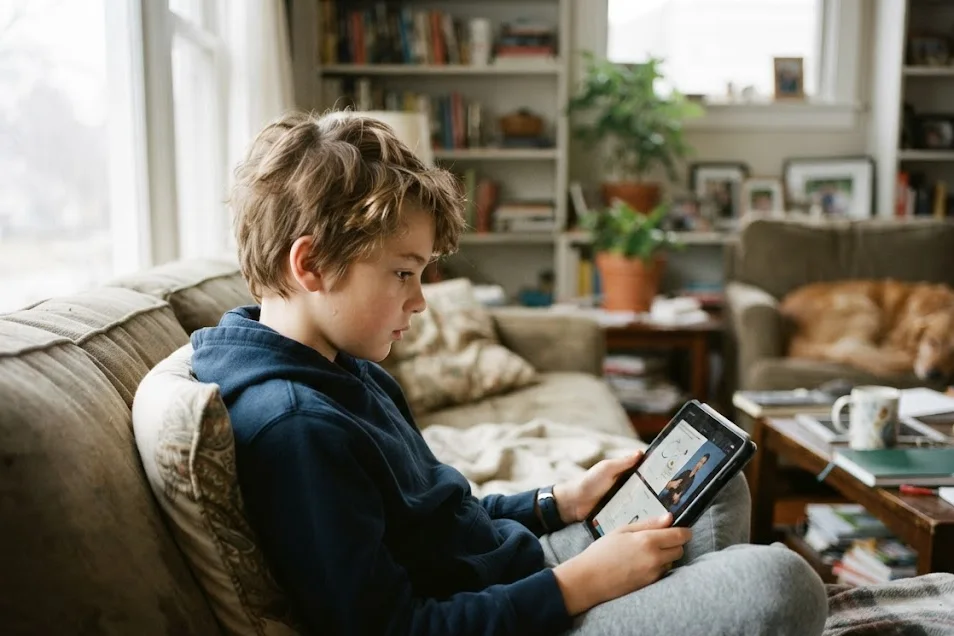 01Learn
Understand How Conflict Works
- Watch short animated lessons about everyday disagreements.
- See characters escalate, pause, and work things out.
- Discover strategies like reflective listening and compromise.
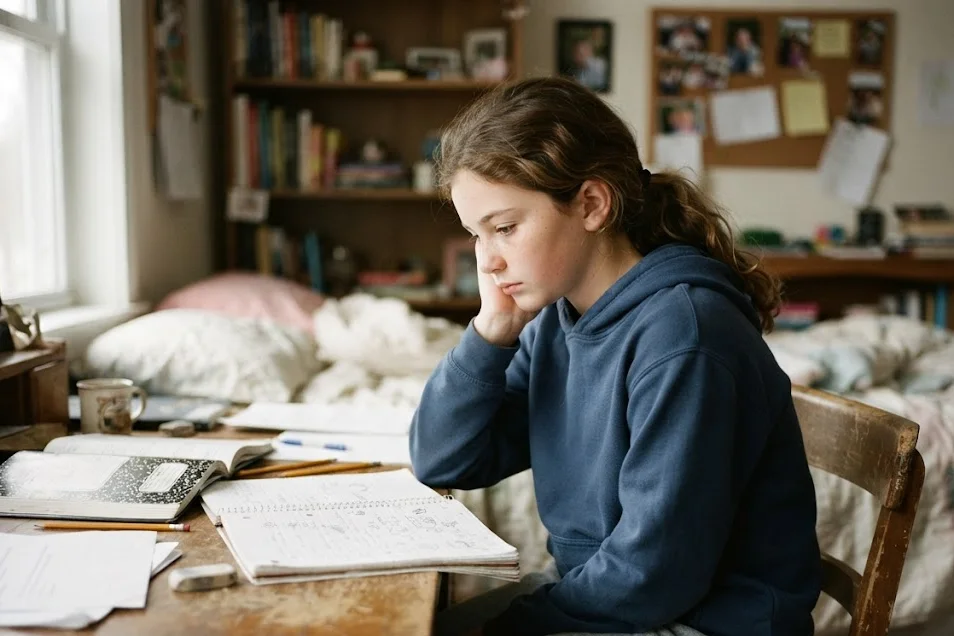 02Practice & Reflect
Think Through the Disagreement
- Work through scenario-based Try Its where available.
- Consider how the other person might see the situation.
- Reflect on their own conflict style in module exercises.
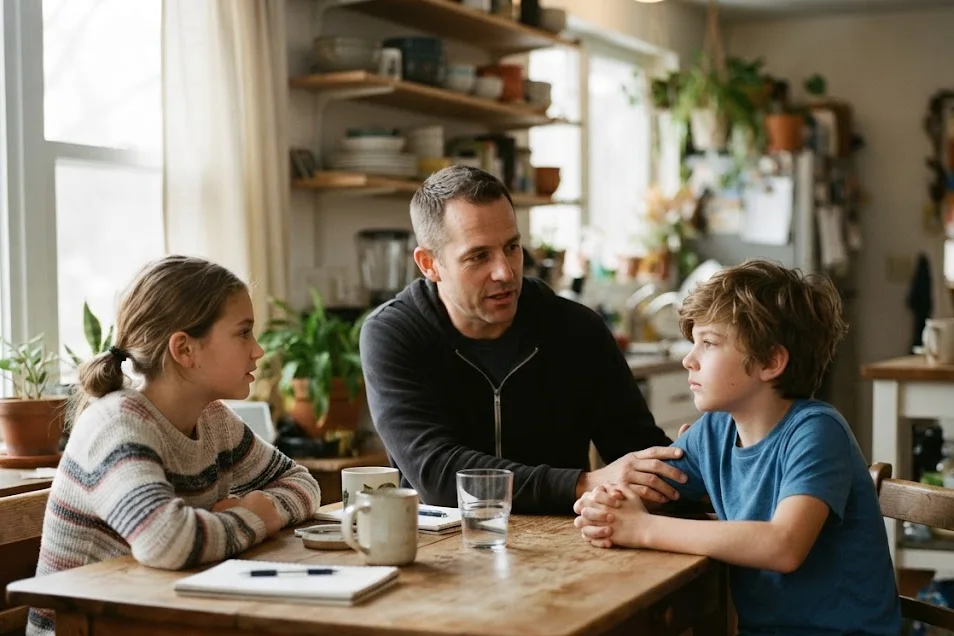 03Apply
Resolve Conflict Beyond the Screen
- Take a pause before responding in an argument.
- Repeat back what the other person said.
- Suggest one solution that works for both sides.
- Talk with a parent about a conflict they handled well.
Success isn't never arguing. It's calming down a little sooner and finding a way back to each other.
What Research Tells Us About Listening, Conflict & Social Skills
Researchers have studied how listening shapes disagreements and how social skills can be taught. These findings describe general patterns, not guarantees for any child.
- Feeling Understood
Active listening helps people feel heard.
- In a study of 115 college students, some partners responded with active listening.
- Those participants felt more understood than with advice or simple acknowledgments.
- The participants were young adults, not children.
- Disagreeing Well
Good listening helps even in disagreement.
- Across five studies of 1,624 people, speakers felt better when listened to well.
- This held even when the two people disagreed.
- The studies looked at people in general, not children specifically.
- Social Skills Can Be Taught
Social-emotional learning makes a difference.
- A review of 213 school programs covered 270,034 students from kindergarten to high school.
- Students improved in social skills, attitudes, and behavior.
- Results depended on how well programs were carried out.
The evidence points to listening and practice: social skills can be taught, and feeling heard helps even when people disagree. Conflict Resolution Foundations is built around that approach, without promising guaranteed results.
How Conflict Resolution Foundations Supports Three Learning Journeys
The course appears in three programs. It closes one and comes late in the others, drawing on the relationship skills built before it.
Why It Belongs in All Three
- In Emotional Skills, it closes the program. After Relationship Building Basics, children use emotional and social skills to repair conflict when it happens.
- In Leadership Development, it builds fair leaders. Following Making Responsible Choices, children learn to handle disagreement before Understanding Why Teamwork Matters.
- In Strength, it turns awareness into action. After Human Dynamics, children apply social awareness to disagreements before Building Leadership Skills.
- In every program, it supports what follows. Resolving conflict carries into teamwork, leadership, and the relationships children care about most.
The Emotional Skills ProgramCourse 7 of 7
- 1–4Four Earlier CoursesSelf-Awareness · Emotions · Social Awareness · Choices
- 5Communication FoundationsExpression & Listening
- 6Relationship Building BasicsTrust & Connection
- 7This CourseConflict Resolution FoundationsNavigating Disagreements
The Leadership Development ProgramCourse 6 of 7
- 1–4Four Earlier CoursesConfidence · Communication · Leadership · Relationships
- 5Making Responsible ChoicesEthics & Accountability
- 6This CourseConflict Resolution FoundationsConstructive Conflict & Repair
- 7Understanding Why Teamwork MattersCollaboration & Shared Success
The Strength ProgramCourse 5 of 7
- 1–4Four Earlier CoursesConfidence · Courage · Resilience · Social Awareness
- 5This CourseConflict Resolution FoundationsNavigating Disagreements
- 6Building Leadership SkillsLeadership & Initiative
- 7Don't Wait: Create!Creativity & Personal Agency
In any program, the course isn't a standalone fix. It's one step in a longer sequence that gives conflict skills time to develop.
Frequently Asked Questions About Conflict Resolution Foundations
Practical answers about what your child will learn, what the course asks of your family, and how it fits into Bloomster's programs.
Who is Conflict Resolution Foundations designed for?
It uses everyday situations relevant to children roughly 9 to 14. It is the fifth course in the Strength Program, designed around ages 11–13, the sixth in Leadership Development, and the seventh in Emotional Skills, both of which work for children from 9 to 14.
What will my child learn in this course?
Children learn what causes conflict, how to recognize their triggers, and how to listen, read body language, and see the other side. They practice staying calm, negotiating, compromising, asking open questions, and resolving group conflicts.
Will this help with sibling arguments?
It introduces skills that apply directly at home: pausing before reacting, listening to understand, and looking for solutions that work for both sides. It can't promise fewer arguments, but it gives children better tools when they happen.
How long does the course take?
Your child moves at their own pace. The four modules contain 28 short animated lessons, 9 practice activities, and a module exercise at the end of each. Inside a program, courses are spaced across roughly a year, which gives this one several weeks to settle into daily life.
How much time should my child spend on it each week?
We suggest two 30-minute learning sessions each week. Everyday disagreements between sessions give your child real chances to try what they're learning. If a week gets missed, simply pick up again.
Do I need to be involved as a parent?
You don't need to teach the course. Protect the learning time, notice what your child is working on, and model calm disagreement yourself; children learn a lot from watching how adults handle conflict. Bloom, the parent side of Bloomster, helps you follow along.
Is this course about bullying?
No. This course focuses on ordinary disagreements between people of equal standing, like friends, siblings, and teammates. Bullying involves a power imbalance and repeated harm; it's addressed in Identifying and Dealing With Bullies in the Foundations Program.
My child avoids conflict entirely. Will this help?
Yes, the course covers that too. Children explore their own conflict style, including avoidance, and practice assertive communication that lets them raise problems calmly. Handling conflict well includes speaking up, not just calming down.
Can I enroll my child in this course by itself?
Bloomster is organized around learning journeys rather than single-course purchases. Conflict Resolution Foundations is part of the Emotional Skills, Leadership Development, and Strength programs, and it may also be recommended within a Personalized Course Journey. Finding your start shows where your child might begin.
How will I know whether my child is making progress?
Look for small signs: walking away to cool down, repeating back what someone said, suggesting a compromise, or repairing things after an argument. Progress is rarely a straight line, and a heated day is not a failure.
Explore the Emotional Skills, Leadership and Strength Programs — See the Bigger Journey
Conflict resolution is one capability among many. Each program connects it with emotional awareness, communication, relationships, and leadership.
Conflict Skills Grow Alongside Other Skills
- This course builds the skills to stay calm, listen, and find fair solutions.
- Earlier courses develop the emotional awareness and communication conflict skills draw on.
- Later courses apply these skills to teamwork, leadership, and creative collaboration.
- Steady practice across months gives these capabilities time to connect in everyday life.
Explore how each program sequences its seven courses, and which journey fits what your child needs right now.
 Free PDF · No account neededFree Conflict Resolution Guide for ParentsReal-life scenarios and questions to talk through disagreements with your child at home.
Conflict resolution isn't about avoiding disagreement. It's about your child working through it and keeping the people they care about.