
The Art of Self-Discipline
Your Child Knows What Needs to Get Done. The Hard Part Is Following Through.
Help your child build routines, get started on what they put off, and keep going when motivation fades.
- 4Core Modules
- 32Lessons & Exercises
- 12Developmental Subskills
- 2Learning Programs
Why Is Following Through Harder Than Getting Started?
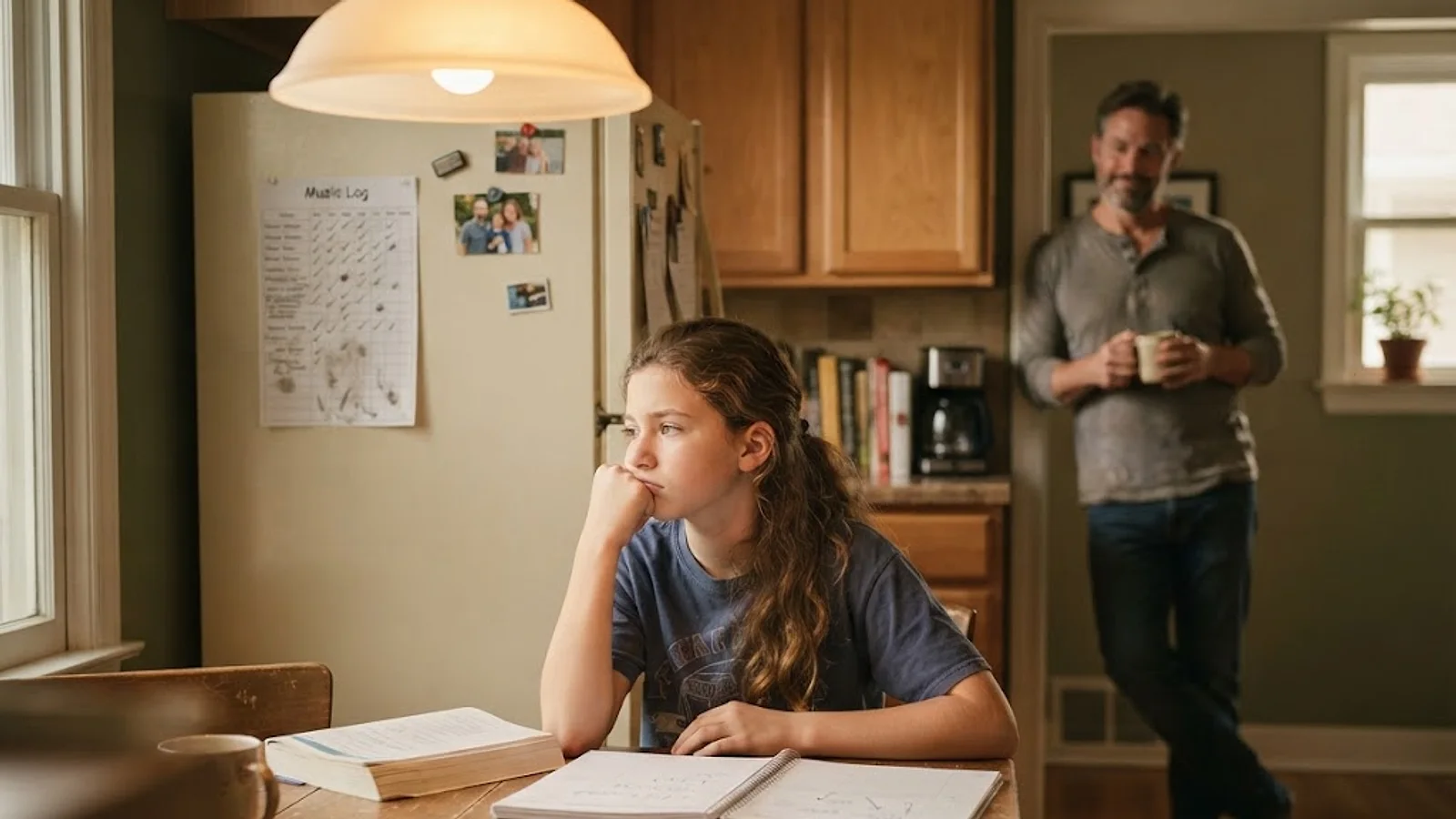
The new routine starts strong. A week later, practice gets skipped and homework waits until the night before. Often the problem isn't caring. It's following through.
 When Motivation Fades
Strong Starts, Quiet Stops
- New routines often begin with energy that fades within days.
- Effort can depend on mood rather than on a plan.
- Without a routine, one missed day can quietly become the last.
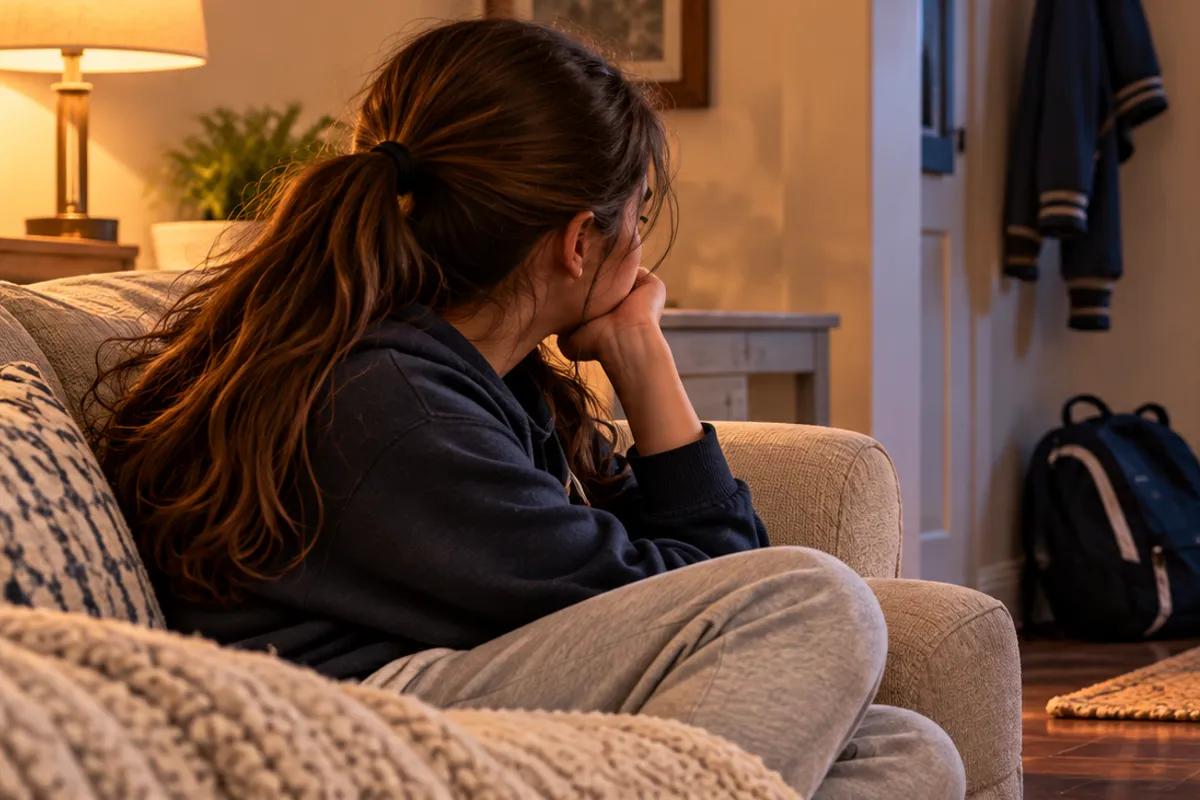
 The Last-Minute Rush
Later Always Feels Easier
- Screens and easier tasks win when work feels big or boring.
- Assignments wait until the night before, then feel overwhelming.
- Putting things off is often about discomfort, not laziness.
 Knowing Isn't Doing
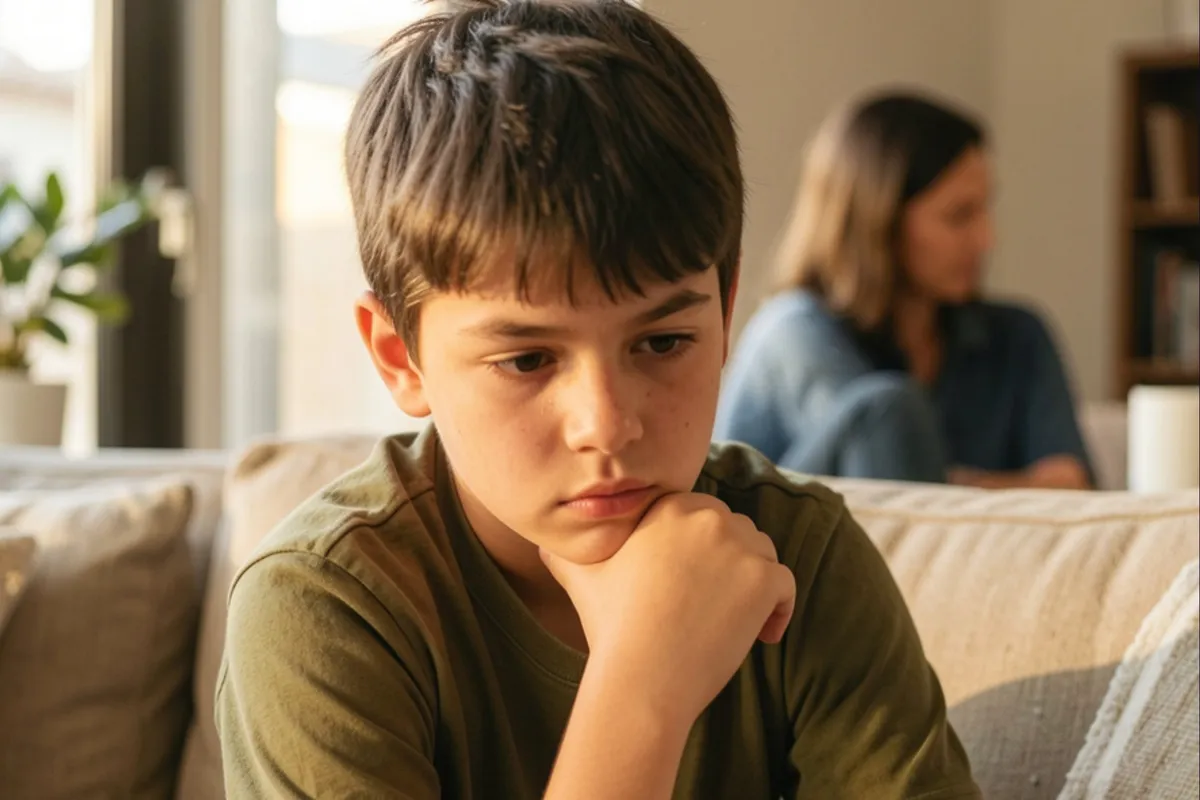
They Know the Plan. Starting Is Hard.
- Children can explain the plan and still not act on it.
- Strong feelings and first urges can override good intentions.
- Reminders work for a while, but the reason stays outside them.
Following through isn't a trait a child either has or lacks. It can be understood, practiced, and gradually built from the inside.
Why Self-Discipline Matters More as They Grow
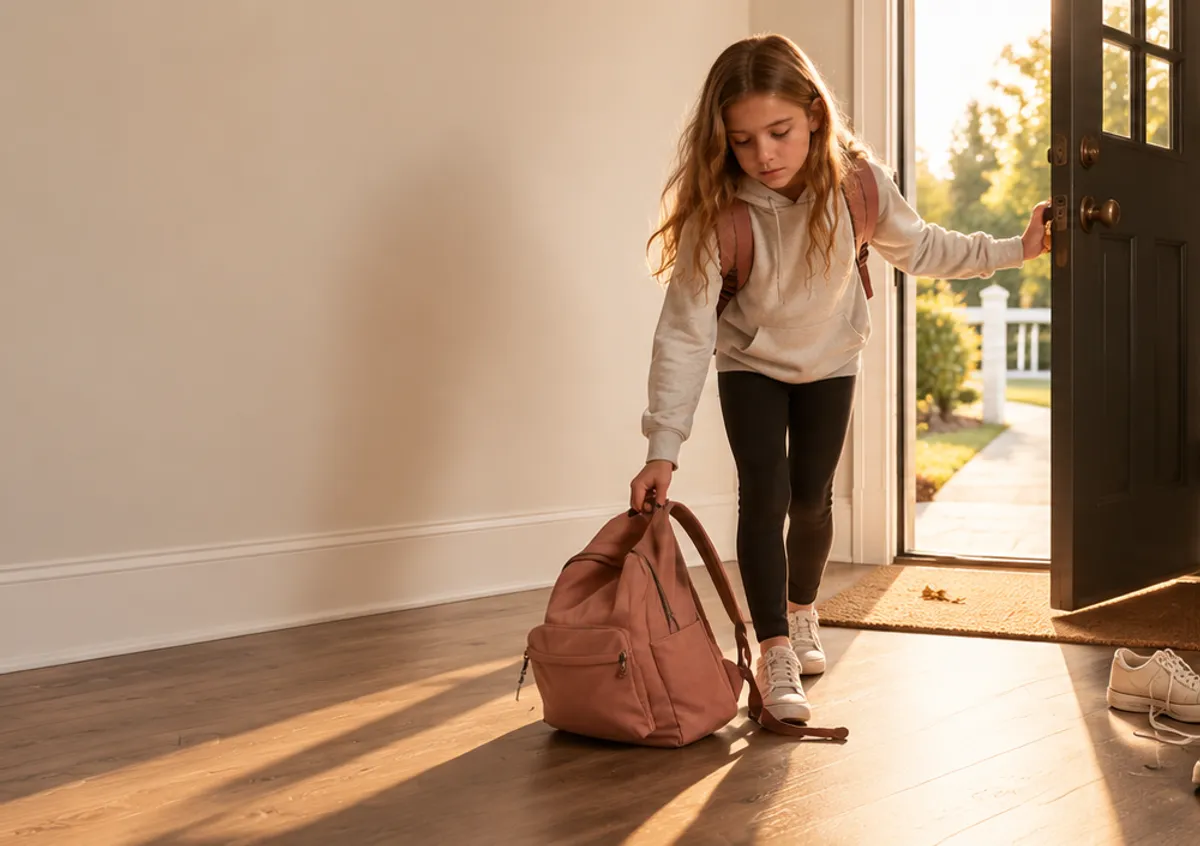
As children gain independence, fewer adults structure their time. More of their day depends on what they choose to do when no one is reminding them.
Responsibility Is Shifting to Them
- School asks for more follow-through. Long-term projects, independent reading, and studying need effort spread across days, not finished in one push.
- Freedom brings more choices. Phones, games, and free time compete with responsibilities, and children increasingly decide which comes first.
- Goals take longer to reach. Learning an instrument, improving at a sport, or saving money takes effort long after the excitement fades.
- Discipline supports emotional balance. Pausing before reacting helps children respond to frustration and pressure more thoughtfully instead of impulsively.
- Discipline is not restriction. Understood well, self-discipline gives children more freedom: fewer last-minute crises and more say over their own time.
The goal isn't a child who follows more rules. It's one who is gradually able to choose what matters, even when something easier is available.
What The Art of Self-Discipline Helps Your Child Develop
Self-discipline isn't a fixed trait. The course breaks it into specific capabilities children can understand, try in their own lives, and strengthen over time.
Seeing Discipline as Freedom
Understand self-discipline as choosing what serves their own goals, not as restrictions imposed by others.
Building Habits on Purpose
Learn how habits form, design routines that make good choices easier, and track progress over time.
Getting Started Anyway
Recognize what's really behind putting things off and use practical strategies to begin before the deadline.
Pausing Before Acting
Practice noticing a first urge and taking a moment before acting on it in everyday decisions.
Tools for Big Feelings
Build personal strategies for staying steady when frustration or disappointment makes quitting tempting.
Each capability supports the others: understanding why discipline matters, pausing before reacting, and building routines that make follow-through rely less on willpower alone.
Inside the Course — Four Modules, From Understanding to Follow-Through
The course starts with what self-discipline really is, connects it to emotions, turns it into daily habits, and then applies it to time, goals, and focus.
- 01
Self-Discipline 101
What self-discipline is, and what it isn't.
- Understand self-discipline as choosing what serves their goals, not living under restrictions.
- Identify the areas of daily life where more self-discipline would help most.
- Practice impulse control by pausing before making a decision.
- Learn from role models how discipline builds over time.
- 02
Discipline and Emotions
Staying steady when feelings make quitting tempting.
- Explore how emotions drive actions, especially under pressure.
- Develop techniques for pausing before reacting.
- Use encouraging, constructive self-talk to keep going when things get hard.
- Balance being firm with themselves while staying kind to others.
- 03
Good Habits, Great Life
Turning good intentions into everyday routines.
- Learn how habits form and how routines reduce reliance on willpower alone.
- Practice breaking unhelpful habits by replacing them with better ones.
- Use habit tracking to see progress and stay accountable.
- Explore how family routines shape personal habits.
- 04
Time and Focus Skills
Applying discipline to time, goals, and attention.
- Recognize what drives procrastination and practice strategies for getting started.
- Prioritize tasks and balance short-term demands with long-term goals.
- Set goals with clear, actionable steps.
- Practice staying focused and taking responsibility for follow-through.
Course structure
- 4Modules
- 28Instructional Lessons
- 8Practice Activities
 Course badgeVerdant Yak — The Grounded
Together, the modules move children from understanding self-discipline to using it in their own routines, choices, and goals.
From Learning to Real Life — How Your Child Practices Follow-Through
A strategy is easy to remember on a calm afternoon. Using it when practice feels boring or the deadline is tomorrow takes repetition, reflection, and real situations.
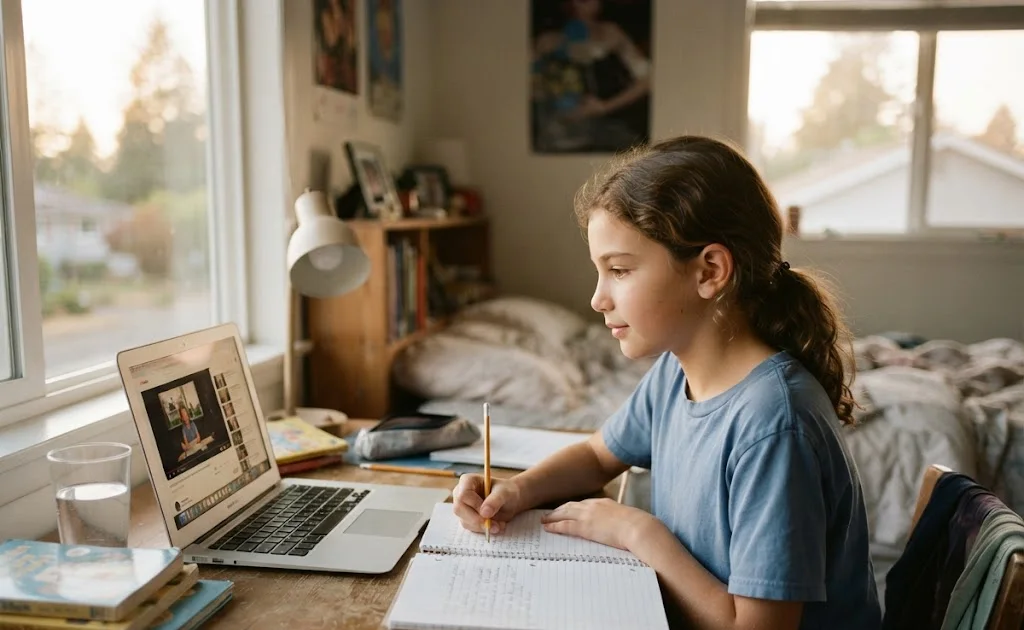 01Learn
Understand What Gets in the Way
- Watch short animated lessons set in familiar homes and classrooms.
- See characters face procrastination, temptation, and fading motivation.
- Discover strategies like habit tracking, prioritizing, and pausing first.
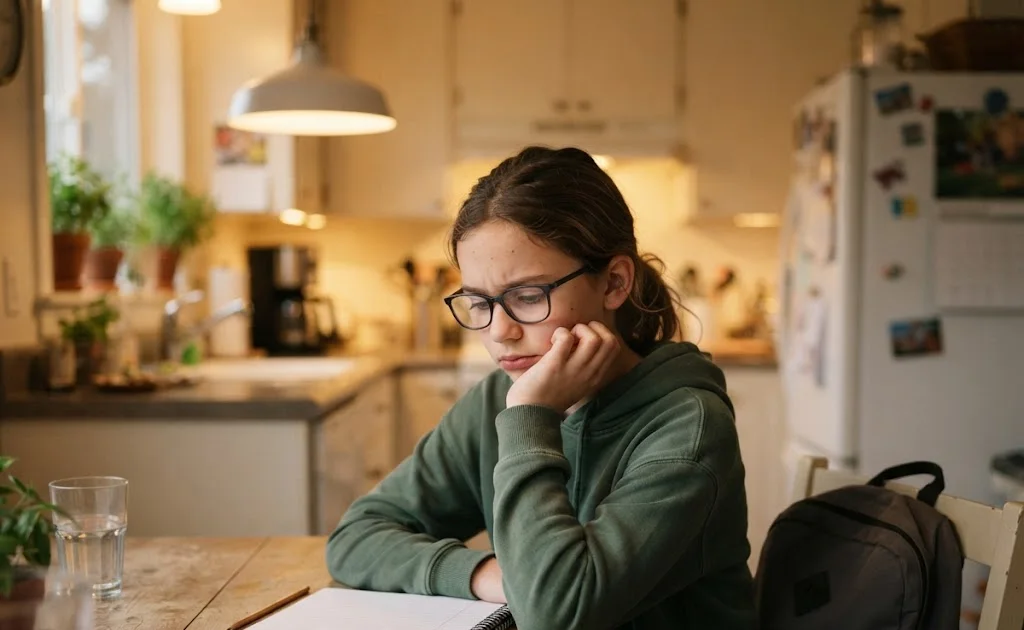 02Practice & Reflect
Think Through Real Choices
- Work through scenario-based Try Its where available.
- Weigh the easy choice against the one that serves their goal.
- Reflect on their own habits in each module exercise.
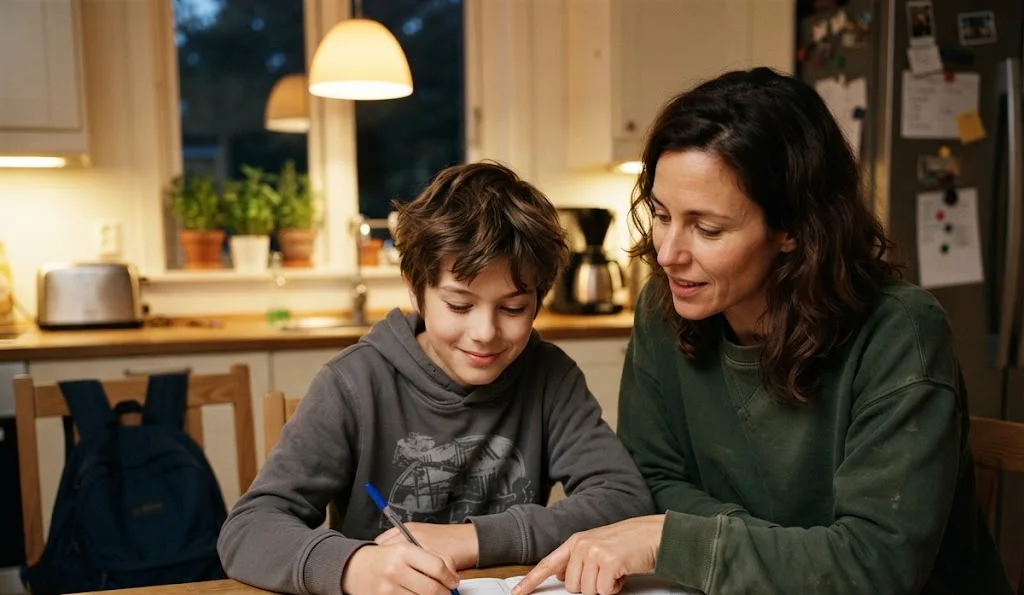 03Apply
Follow Through Beyond the Screen
- Set up one routine, like a regular homework start time.
- Track a habit for a few weeks and notice the pattern.
- Break a big assignment into steps and start the first one early.
- Talk with a parent about what helped, then adjust the plan.
Progress isn't a perfect streak. It's getting back on track a little faster after the routine slips.
What Research Tells Us About Habits, Motivation & Self-Regulation
Researchers have studied self-discipline and habit formation for decades. These findings describe general patterns, not guarantees for any individual child or for this course.
- Linked to School Effort
Self-discipline relates to learning.
- In two studies of eighth graders, self-discipline predicted final grades and school attendance.
- It explained more of the differences in grades than IQ did.
- These are associations, not proof that discipline alone raises grades.
- Habits Take Time
Routines become automatic gradually.
- In a study of adult volunteers, new daily habits took 66 days on average to feel automatic.
- The time varied widely, from 18 days to a projected 254.
- A single missed day had little impact on later progress.
- Worth Practicing Early
Childhood self-control has lasting links.
- A study following 1,000 children to age 32 linked childhood self-control to later health and finances.
- The pattern held when intelligence and social class were taken into account.
- The researchers suggest efforts to strengthen self-control may be worthwhile.
The evidence points to patience: habits form gradually, setbacks are normal, and self-control is worth practicing. The Art of Self-Discipline is built around that steady approach, without promising quick or guaranteed change.
How The Art of Self-Discipline Supports Two Learning Journeys
The course appears in two programs. In each, it arrives at a different point and builds on different courses that came before it.
Why It Belongs in Both
- In Habits, it turns motivation into routine. After curiosity and motivation grow in Learning to Love Learning!, children learn to sustain effort when motivation fluctuates.
- In Habits, it prepares for independent thinking. Stronger self-management sets up MindCraft: Developing Analytical Skills, where children examine information and reason through complex challenges.
- In Academic Success, it turns plans into action. Coming right after Goal-Setting: Gaining Tools for Success, it helps children follow through on the goals and plans they just learned to make.
- In Academic Success, it supports persistence. The follow-through practiced here carries into Developing SuperHuman Problem-Solving Skills, where children work through difficult problems.
The Habits ProgramCourse 4 of 7
- 1–3Three Earlier CoursesFocus · Self-Control · Curiosity
- 4This CourseThe Art of Self-DisciplineEffort & Follow-Through
- 5MindCraft: Developing Analytical SkillsAnalytical Thinking
- 6–7Two Later CoursesTeamwork · Forgiveness
The Academic Success ProgramCourse 6 of 7
- 1–4Four Earlier CoursesSelf-Awareness · Focus · Emotions · Confidence
- 5Goal-Setting: Gaining Tools for SuccessPlanning & Progress
- 6This CourseThe Art of Self-DisciplineHabits & Follow-Through
- 7Developing SuperHuman Problem-Solving SkillsAnalytical Thinking & Adaptability
In either program, the course isn't a standalone fix. It's one step in a longer sequence that gives follow-through time to develop.
Frequently Asked Questions About The Art of Self-Discipline
Practical answers about what your child will learn, what the course asks of your family, and how it fits into Bloomster's programs.
Who is The Art of Self-Discipline designed for?
It uses everyday situations relevant to children roughly 9 to 14. It is the fourth course in the Habits Program, designed around ages 10–12, and the sixth course in the Academic Success Program, which works for children from 9 to 14. What your child is experiencing matters more than an exact age.
What will my child learn in this course?
Children explore what self-discipline really is, how emotions affect their choices, how habits are built and broken, and how to manage time, priorities, and goals. The focus is practical: pausing before acting, getting started on what they put off, building routines, and following through on plans.
What if my child understands responsibilities but rarely follows through?
That gap is what this course focuses on. Knowing what to do and doing it rely on different skills. Children explore what's behind the delay, practice getting started anyway, and build routines that depend less on willpower. Change is gradual, and setbacks are a normal part of it.
How long does the course take?
Your child moves at their own pace. The four modules contain 28 short animated lessons, 8 practice activities, and a module exercise at the end of each. Inside a program, courses are spaced across roughly a year, which gives this one several weeks to settle into daily life.
How much time should my child spend on it each week?
We suggest two 30-minute learning sessions each week. For a course about follow-through, keeping that rhythm is part of the practice. If a week gets missed, simply pick up again; one missed session doesn't undo the progress.
Do I need to be involved as a parent?
You don't need to teach the course. Protect the learning time, notice what your child is working on, and look for chances to connect it to real routines, like a homework start time or a practice schedule. Bloom, the parent side of Bloomster, helps you follow along.
Will this help with procrastination on homework?
It introduces strategies for it. Module 4 focuses on overcoming procrastination, prioritizing, and setting goals, and Module 3 on routines that make starting easier. The course doesn't teach school subjects, and how much it helps depends on your child and how consistently the strategies are practiced.
Is this course about making my child more obedient?
No. The course treats self-discipline as your child's own capability, not compliance with adult rules. Children explore the difference between self-discipline and restriction, and how making choices that serve their own goals can give them more freedom, not less.
Can I enroll my child in this course by itself?
Bloomster is organized around learning journeys rather than single-course purchases. The Art of Self-Discipline is part of the Habits and Academic Success programs, and it may also be recommended within a Personalized Course Journey. Finding your start shows where your child might begin.
How will I know whether my child is making progress?
Look for small signs: starting homework a little earlier, keeping a routine into its second or third week, pausing before an impulsive choice, or restarting after a slip without being told. Progress is rarely a straight line, and a missed day is not a failure.
Explore the Habits and Academic Success Programs — See the Bigger Journey
Following through is one capability among many. Both programs connect it with the attention, motivation, and thinking skills that help children become more self-directed.

Follow-Through Grows Alongside Other Skills
- This course builds routines, follow-through, and the habit of starting before the deadline.
- Earlier courses develop attention, impulse control, and motivation that self-discipline draws on.
- Later courses apply that persistence to reasoning, teamwork, and complex problems.
- Steady practice across months gives these capabilities time to connect in everyday life.
Explore how each program sequences its seven courses, and which journey fits what your child needs right now.
 Free PDF · No account neededFree Self-Discipline Guide for ParentsReal-life scenarios and questions to talk through self-discipline with your child at home.
Self-discipline isn't about doing more of what others ask. It's about your child gradually choosing what matters to them, and following through.