
Resilient You: What is Resiliency?
Setbacks Will Come. What Matters Is How Your Child Recovers.
Help your child manage stress, recover from disappointment, and keep growing through challenges and change.
- 4Core Modules
- 32Lessons & Exercises
- 12Developmental Subskills
- 1Learning Program
Why Do Some Setbacks Hit Your Child So Hard?
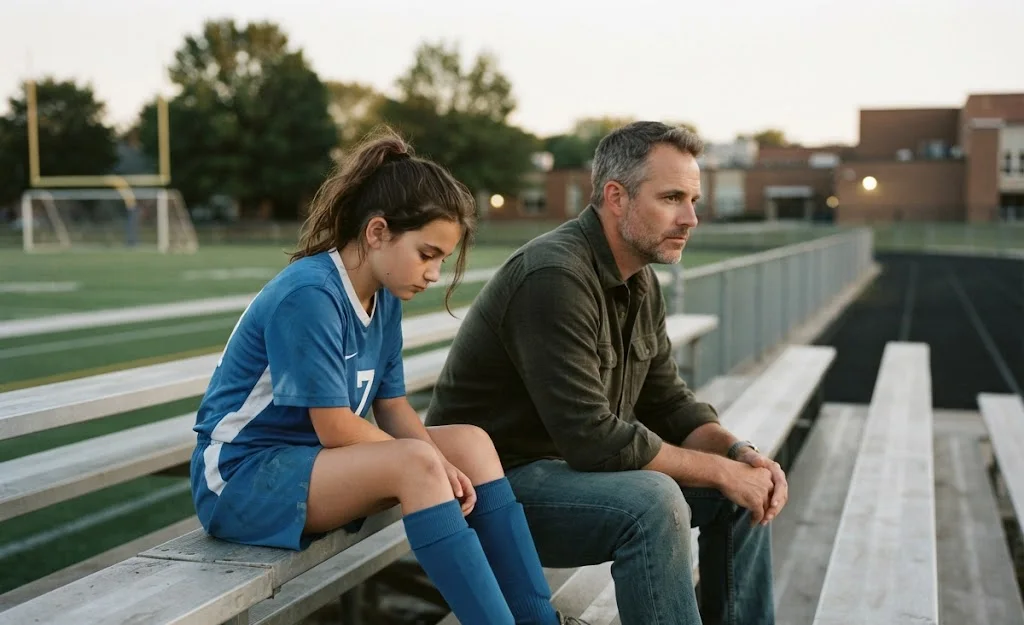
A bad grade, a lost game, or a friend's comment can knock them off course for days. Often it isn't weakness. Recovering is a skill still forming.
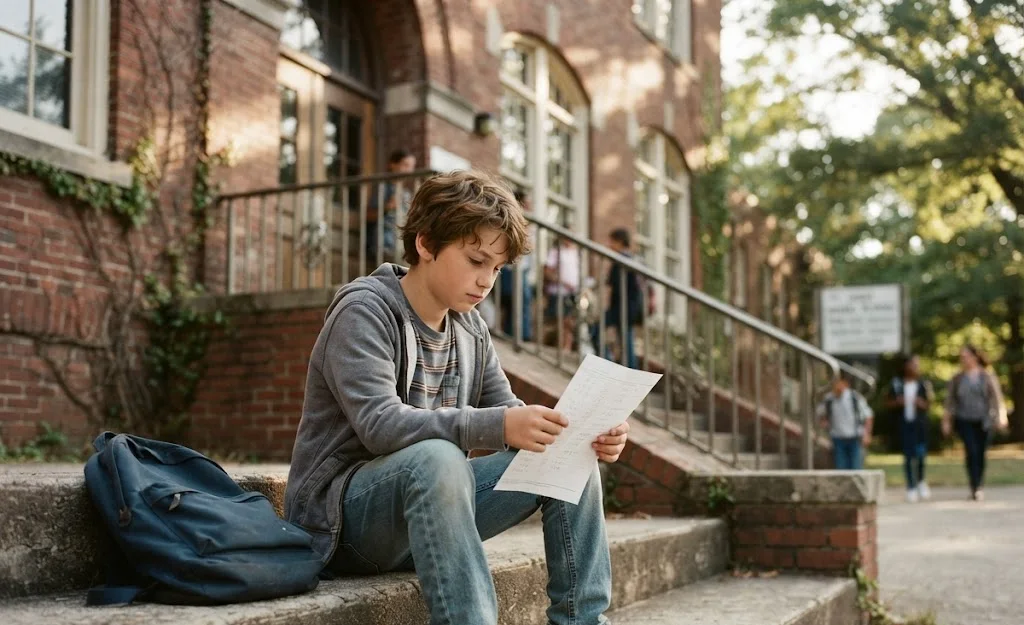 After Disappointment
One Setback Feels Like Everything
- A single mistake can feel like proof they're not good enough.
- They may want to quit rather than try again.
- Disappointment can linger long after the moment has passed.
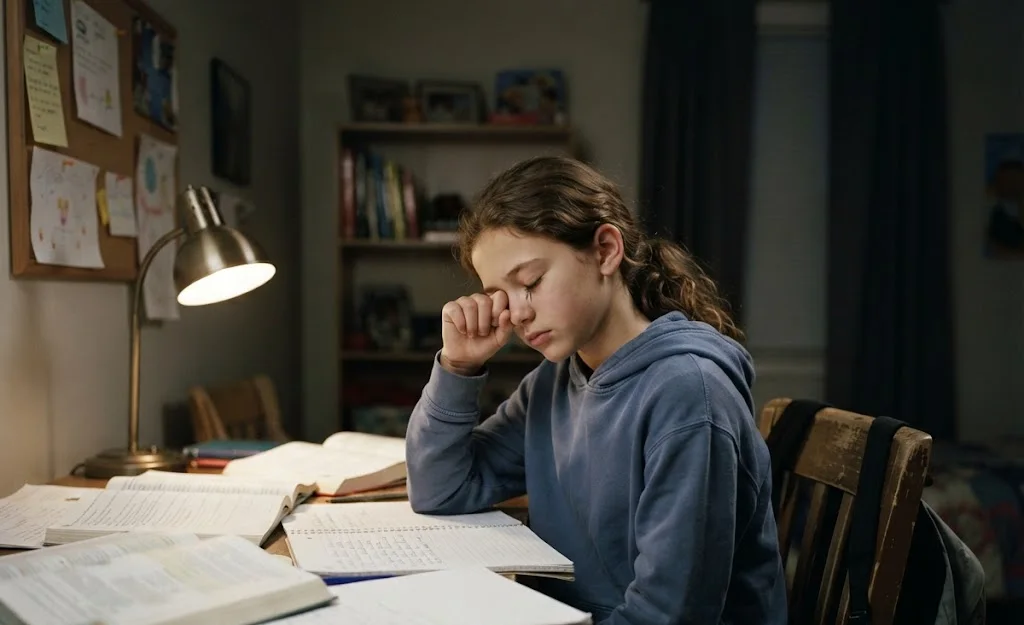 When Stress Builds
Too Much at Once
- Schoolwork, activities, and friendships pile up quickly.
- Sleep, rest, and downtime are often the first things to go.
- Stress can show up as irritability, worry, or shutting down.
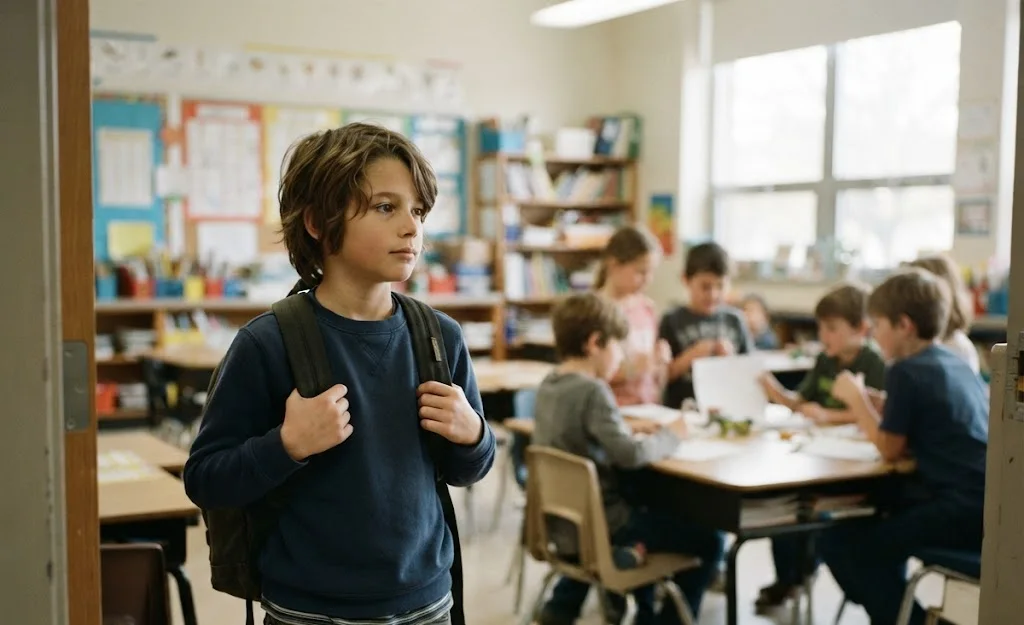 Facing Change
New Things Feel Unsteady
- A new school, team, or friend group can feel unsettling.
- Familiar routines change, and confidence can dip with them.
- They may avoid challenges that feel uncertain or unfamiliar.
Resilience isn't a trait some children are simply born with. It's a set of skills that can be practiced, supported, and gradually strengthened.
Why Resilience Matters More as They Grow
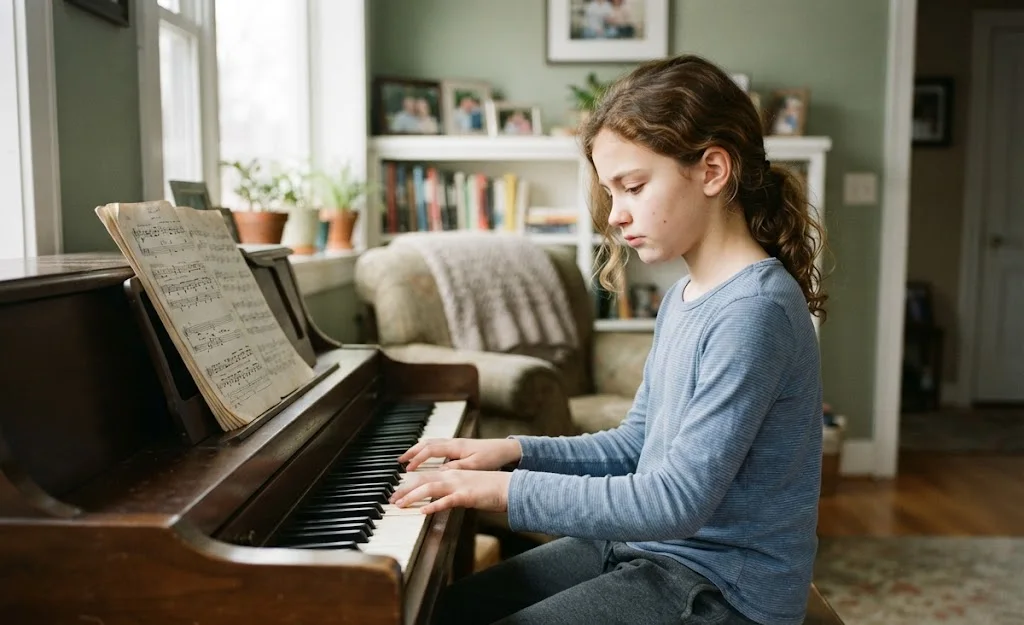
As children grow, challenges become more frequent and more personal. How they recover begins to shape how willing they are to keep trying.
The Challenges Are Growing
- Schoolwork gets harder. More demanding classes bring more mistakes, and recovering from them keeps learning moving instead of stalling.
- Friendships get more complex. Disagreements, exclusion, and changing friend groups test how children manage hurt feelings and keep connecting.
- Change becomes more common. New schools, teams, and responsibilities ask children to adapt rather than retreat when things feel unfamiliar.
- Stress needs an outlet. Sleep, movement, rest, and support become the foundation children rely on when pressure builds.
- Resilience is not toughness. Bouncing back includes asking for help and caring for themselves, not pretending everything is fine.
The goal isn't a child who never struggles. It's one who has the tools and support to keep going when things get hard.
What Resilient You: What is Resiliency? Helps Your Child Develop
Resilience isn't one ability. The course breaks it into specific capabilities children can understand, practice, and strengthen through everyday experiences.
Bouncing Back From Setbacks
Keep going through disappointments and hard times, and see failure as part of learning rather than an ending.
A Toolkit for Big Feelings
Build personal strategies for managing stress and difficult emotions that they can use in the moment.
Adapting to Change
Stay flexible and keep moving forward when plans change or something new feels uncertain.
Caring for Body and Mind
Understand that sleep, movement, rest, and relaxation are the foundation of resilience, not luxuries.
A Kind, Honest Self-Image
See themselves realistically and kindly, recognizing strengths without being harsh about weaknesses.
Each capability supports the others: managing feelings, caring for themselves, and adapting to change help children recover and keep growing.
Inside the Course — Four Modules, From Setbacks to Growth
The course starts with what resilience is, turns inward to emotions and self-care, then outward to relationships, and finally toward personal growth.
- 01
Preparing for Success
What resilience is and how daily habits build it.
- Understand why resilience matters for facing challenges and reaching meaningful goals.
- Set realistic goals and stay motivated when obstacles get in the way.
- Practice problem-solving and decision-making for complicated situations.
- See failure as a learning opportunity and build routines that support well-being.
- 02
Focusing on You
Understanding emotions and caring for themselves.
- Recognize their own emotions and triggers, the foundation of emotional resilience.
- Practice strategies for regulating emotions during stressful situations.
- Understand how rest, relaxation, and exercise support mental health.
- Create a personal self-care plan that supports emotional balance.
- 03
Focusing on Others
Building relationships that help them through hard times.
- Identify what makes relationships healthy, built on trust and mutual respect.
- Recognize unhealthy dynamics and take steps to improve their relationships.
- Practice empathy, communication, and working through conflict.
- Learn why asking for help and helping others both strengthen resilience.
- 04
Personal Growth
Knowing themselves and embracing challenge and change.
- Discover their personal strengths, values, and passions.
- Build a more positive self-image by challenging negative self-perceptions.
- Step outside their comfort zone and adapt to change with more confidence.
- Recognize how heritage, identity, and values contribute to their resilience.
Course structure
- 4Modules
- 28Instructional Lessons
- 8Practice Activities
 Course badgeIce Bear — The Bouncer
Together, the modules move children from understanding resilience to building it in their emotions, relationships, and sense of self.
From Learning to Real Life — How Your Child Practices Bouncing Back
Knowing how to recover is easier than doing it after a hard day. Resilience grows through practice, reflection, and support in real situations.
 01Learn
Understand How Recovery Works
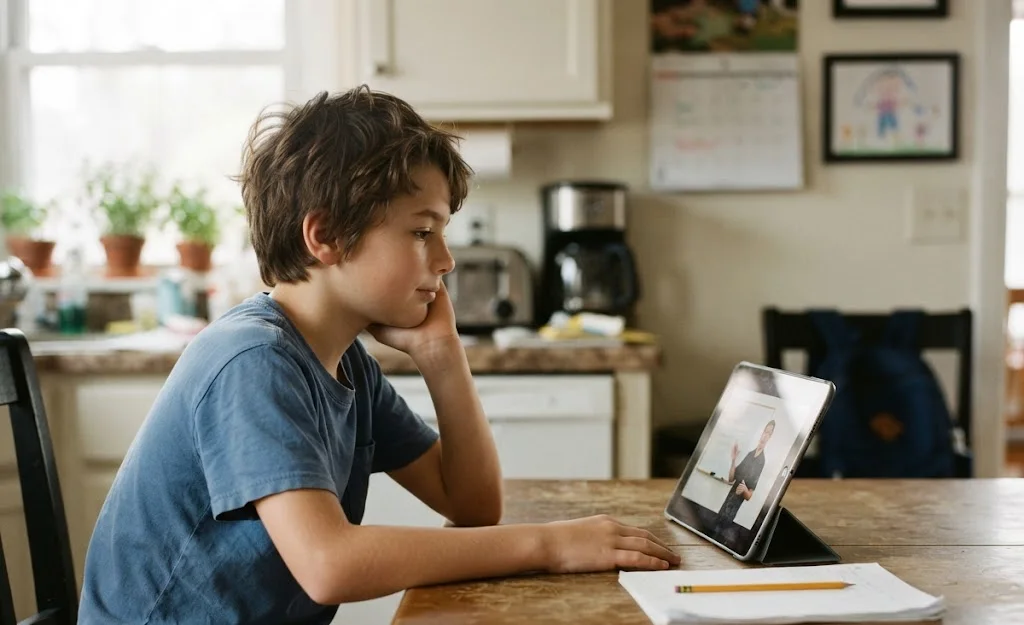
- Watch short animated lessons about everyday setbacks and changes.
- See characters manage stress, disappointment, and new situations.
- Discover strategies like self-care plans and learning from failure.
 02Practice & Reflect
Think Through Hard Moments
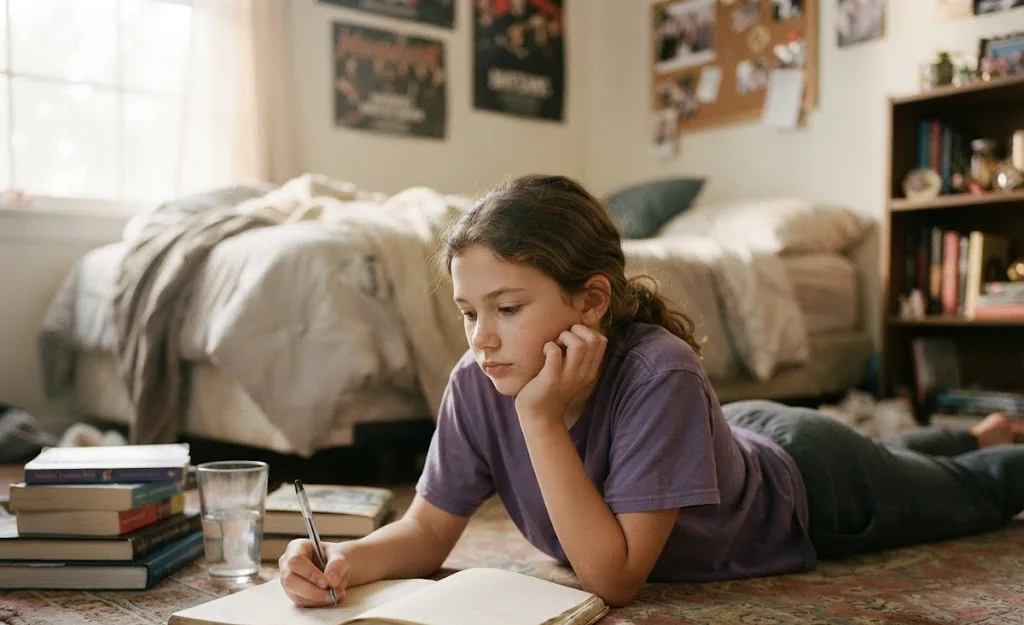
- Work through scenario-based Try Its where available.
- Consider different ways to respond after a setback.
- Reflect on their own challenges in each module exercise.
 03Apply
Recover Beyond the Screen
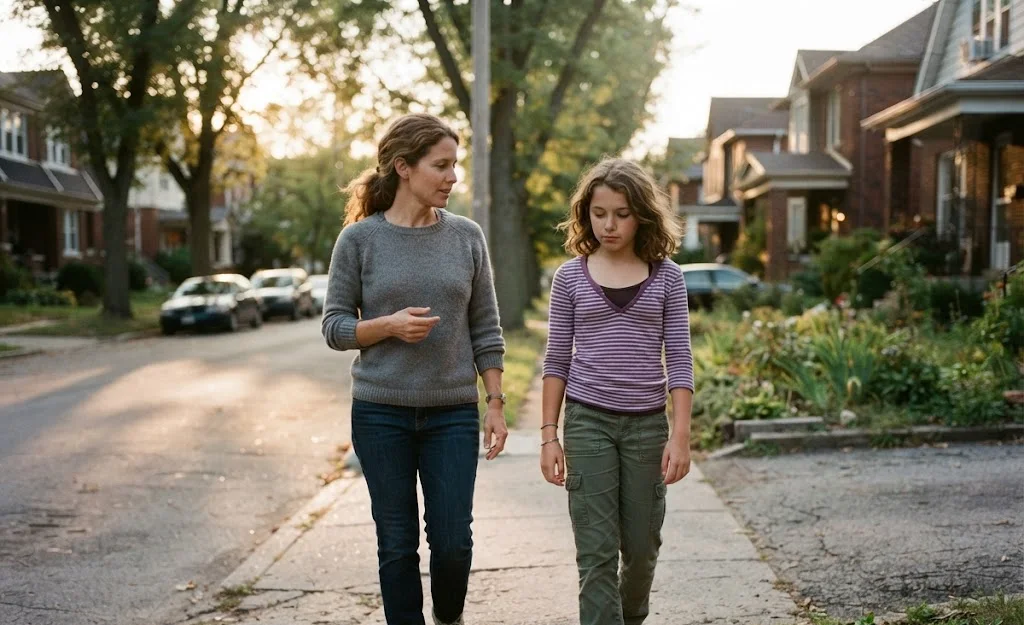
- Try one self-care step, like a walk, after a stressful day.
- Name one thing learned from a recent mistake.
- Ask for help with something difficult instead of struggling alone.
- Talk with a parent about a challenge they handled well.
Resilience isn't avoiding every hard moment. It's recovering a little more steadily each time one comes.
What Research Tells Us About Resilience, Stress & Self-Care
Researchers have studied why some children recover from difficulty more steadily than others. These findings describe general patterns, not guarantees for any child.
- Resilience Is Ordinary
Most resilience comes from everyday supports.
- A major review concluded that resilience in children is common, not rare.
- It usually grows from ordinary systems, like relationships and developing skills.
- The greatest risks come from threats to those everyday supports.
- Built Over Time
Resilience can be strengthened.
- Harvard's Center on the Developing Child says resilience capabilities can be strengthened at any age.
- Learning to cope with manageable stress is described as critical for resilience.
- This describes how resilience develops, not the effect of any one program.
- Movement Helps
Activity is linked to well-being.
- A review of reviews linked physical activity to small benefits for anxiety in young people.
- Activity was also linked to better self-esteem, at least in the short term.
- The authors note the evidence is limited and often low in quality.
The evidence points to everyday supports: skills, relationships, and healthy routines all matter. Resilient You: What is Resiliency? is built around that approach, without promising guaranteed results.
Why Resilient You: What is Resiliency? Is Part of the Strength Program
In the Strength Program, the course comes third. It builds on confidence and courage, and prepares children for the social challenges ahead.
Why It Comes Third
- It builds on courage. After FearLESS: Building Brave Young Hearts, children move from facing fears to recovering when things don't go as planned.
- It deepens self-belief. The confidence built in Confident You: Believe in Yourself gives children a foundation to return to after setbacks.
- It prepares for social challenges. Managing stress and emotions helps children in Human Dynamics, the next course, where they explore social awareness.
- It supports later courses. Recovering from setbacks prepares children for conflict, leadership, and creative risks later in the program.
The Strength ProgramCourse 3 of 7
- 1–2Two Earlier CoursesConfidence · Courage
- 3This CourseResilient You: What is Resiliency?Coping & Recovery
- 4Human DynamicsSocial Awareness
- 5–7Three Later CoursesConflict · Leadership · Creativity
The course isn't a standalone fix. It's one step in a longer sequence that gives resilience time to develop.
Frequently Asked Questions About Resilient You: What is Resiliency?
Practical answers about what your child will learn, what the course asks of your family, and how it fits into Bloomster's programs.
Who is Resilient You: What is Resiliency? designed for?
It uses everyday situations relevant to children roughly 9 to 14. It is the third course in the Strength Program, which is designed around ages 11–13. What your child is experiencing, like struggling after setbacks or with change, matters more than an exact age.
What will my child learn in this course?
Children explore what resilience is, how goals, problem-solving, and routines support it, how to manage emotions and stress, why self-care matters, how healthy relationships help, and how to grow through challenge and change. The focus is practical: tools they can use after a hard day.
Is this course meant for children who have experienced trauma?
No. Resilient You: What is Resiliency? is an everyday-skills course for ordinary setbacks like disappointment, stress, and change. It is not therapy and isn't designed for trauma recovery. If your child is struggling with something serious or persistent, talk with your pediatrician or a mental health professional.
How long does the course take?
Your child moves at their own pace. The four modules contain 28 short animated lessons, 8 practice activities, and a module exercise at the end of each. Inside the Strength Program, courses are spaced across roughly a year, which gives this one several weeks to settle into daily life.
How much time should my child spend on it each week?
We suggest two 30-minute learning sessions each week. Regular sessions give your child time to try strategies, like a self-care routine, between lessons. If a week gets missed, simply pick up again; one missed session doesn't undo the progress.
Do I need to be involved as a parent?
You don't need to teach the course. Protect the learning time, notice what your child is working on, and after a setback, give them some space before talking about what helped. Bloom, the parent side of Bloomster, helps you follow along.
My child gives up when something gets hard. Will this help?
The course introduces strategies for that moment: seeing failure as part of learning, managing frustration, and trying again with a plan. It can't promise a specific change, but steady practice and encouragement at home help these strategies become part of how your child responds.
Does resilience mean my child should hide their feelings?
No. The course treats resilience as recovering, not toughing it out. Children learn to recognize and manage their emotions, care for themselves, and ask for help when they need it. Feeling upset after a setback is normal; resilience is about what happens next.
Can I enroll my child in this course by itself?
Bloomster is organized around learning journeys rather than single-course purchases. Resilient You: What is Resiliency? is part of the Strength Program, and it may also be recommended within a Personalized Course Journey. Finding your start shows where your child might begin.
How will I know whether my child is making progress?
Look for small signs: trying again after a mistake, naming a feeling instead of shutting down, asking for help sooner, or keeping a self-care routine during a busy week. Progress is rarely a straight line, and a hard day is not a failure.
Explore the Strength Program — See the Bigger Journey
Resilience is one capability among many. The Strength Program connects it with confidence, courage, social awareness, and leadership over a year of learning.
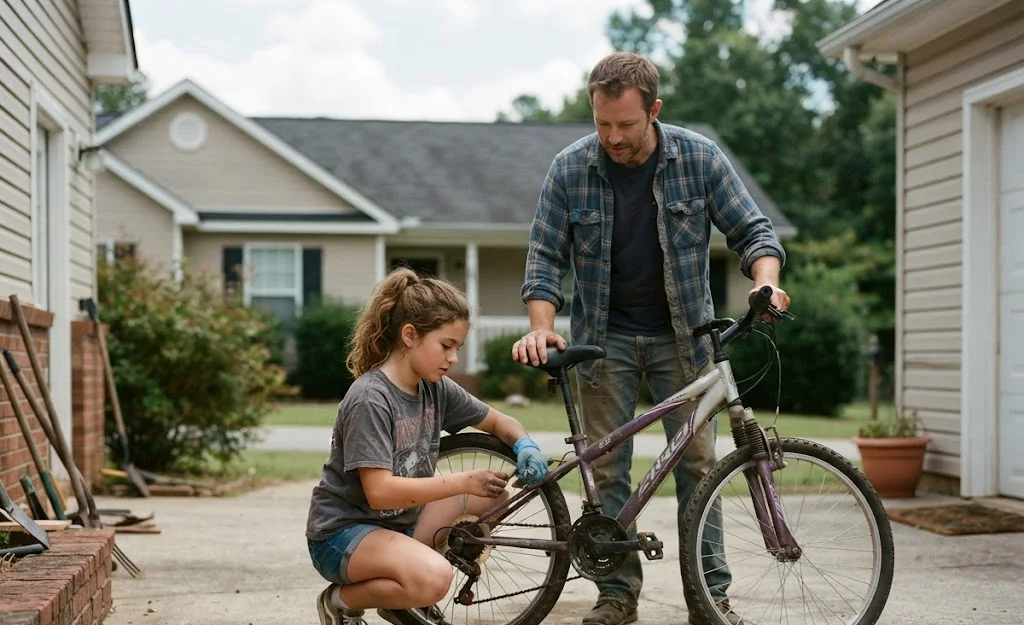
Resilience Grows Alongside Other Skills
- This course builds the skills to recover from setbacks and adapt to change.
- Earlier courses develop the self-belief and courage resilience draws on.
- Later courses apply that steadiness to friendships, conflict, leadership, and creativity.
- Steady practice across months gives these capabilities time to connect in everyday life.
Explore how the Strength Program sequences its seven courses, and whether it fits what your child needs right now.
 Free PDF · No account neededFree Resilience Guide for ParentsReal-life scenarios and questions to talk through setbacks and resilience with your child at home.
Resilience isn't about never falling down. It's about your child learning, again and again, that they can get back up.