
Relationship Building Basics
Friendships Shape How Your Child Feels Every Day. Keeping Them Strong Takes Skills.
Help your child build trust, communicate with care, set healthy boundaries, and work through the ups and downs of friendship.
- 4Core Modules
- 32Lessons & Exercises
- 12Developmental Subskills
- 3Learning Programs
Why Are Friendships So Hard to Navigate?
A best friend one week, a falling-out the next. Children care deeply about their friendships, but no one hands them a guide to building and keeping them.
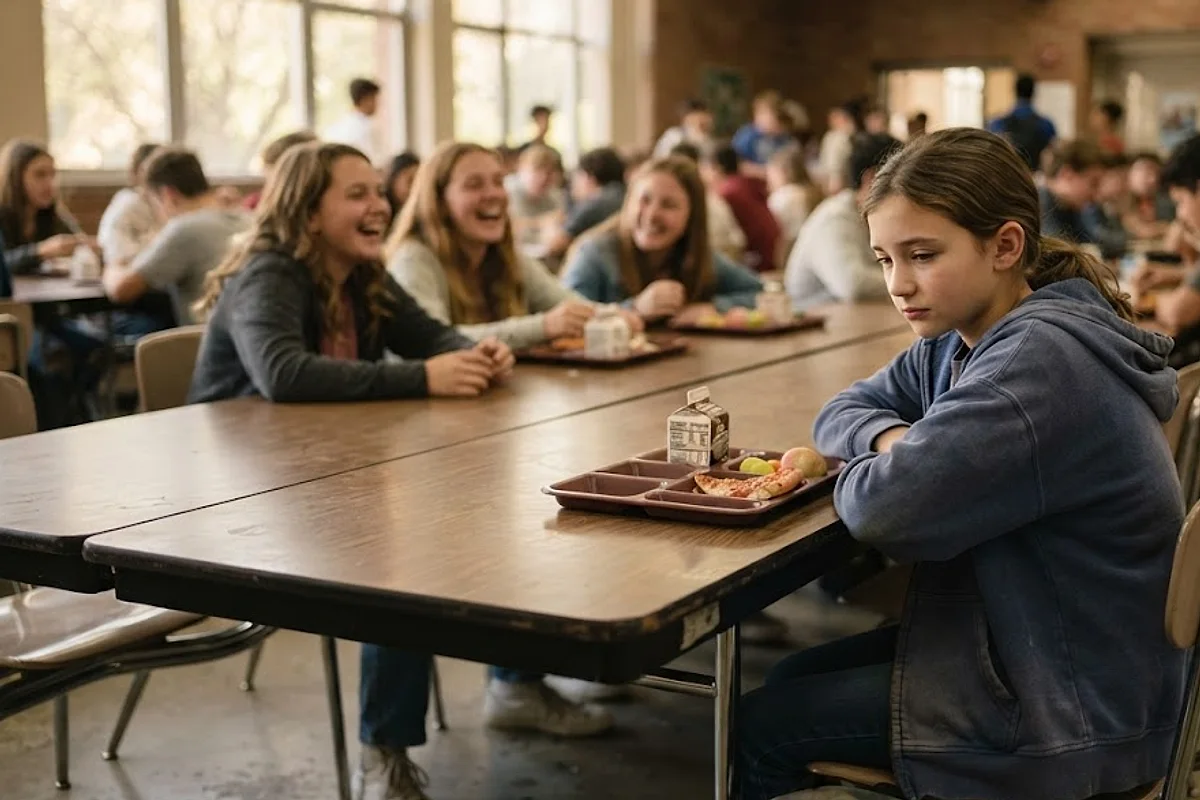 Feeling Left Out
On the Outside Looking In
- Group dynamics can shift quickly and leave a child out.
- Starting a new friendship can feel risky and awkward.
- Children may not know how to reach out first.
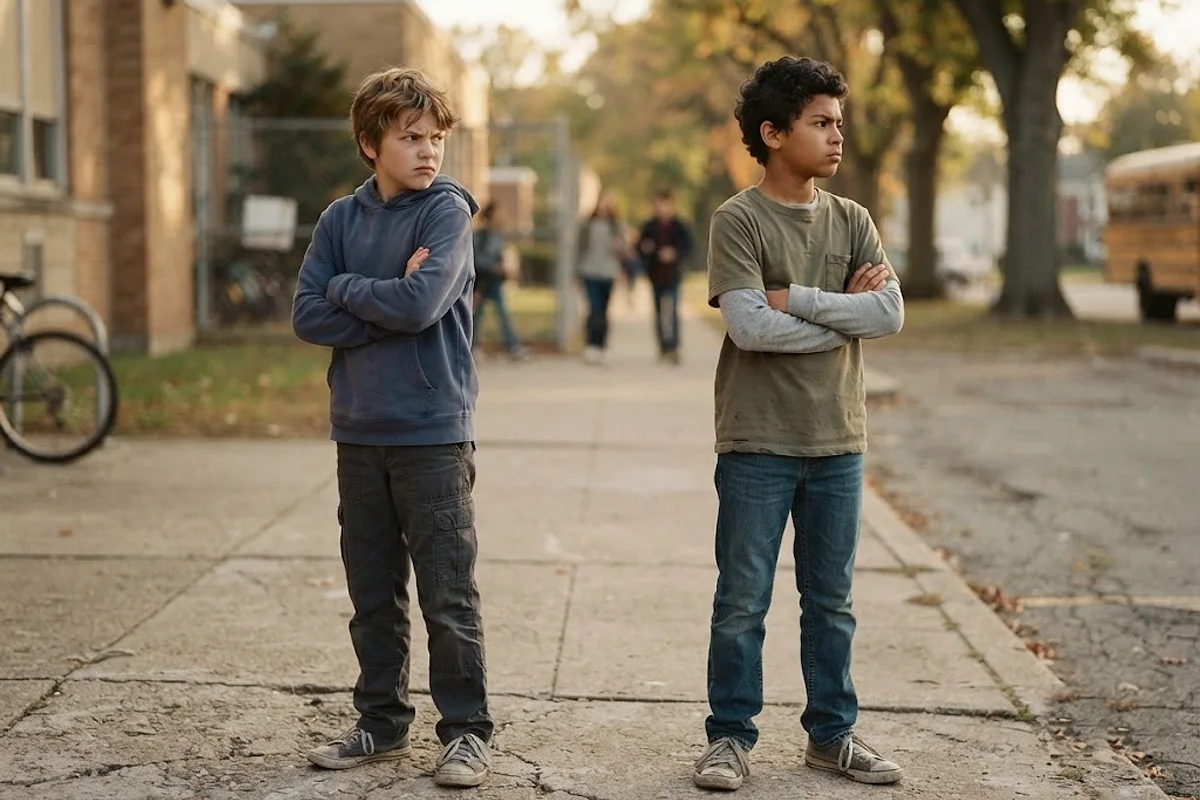 When Things Go Wrong
Small Conflicts, Big Fallout
- Misunderstandings can turn into arguments fast.
- Hurt feelings may linger without a way to repair them.
- Some children avoid conflict; others escalate it.
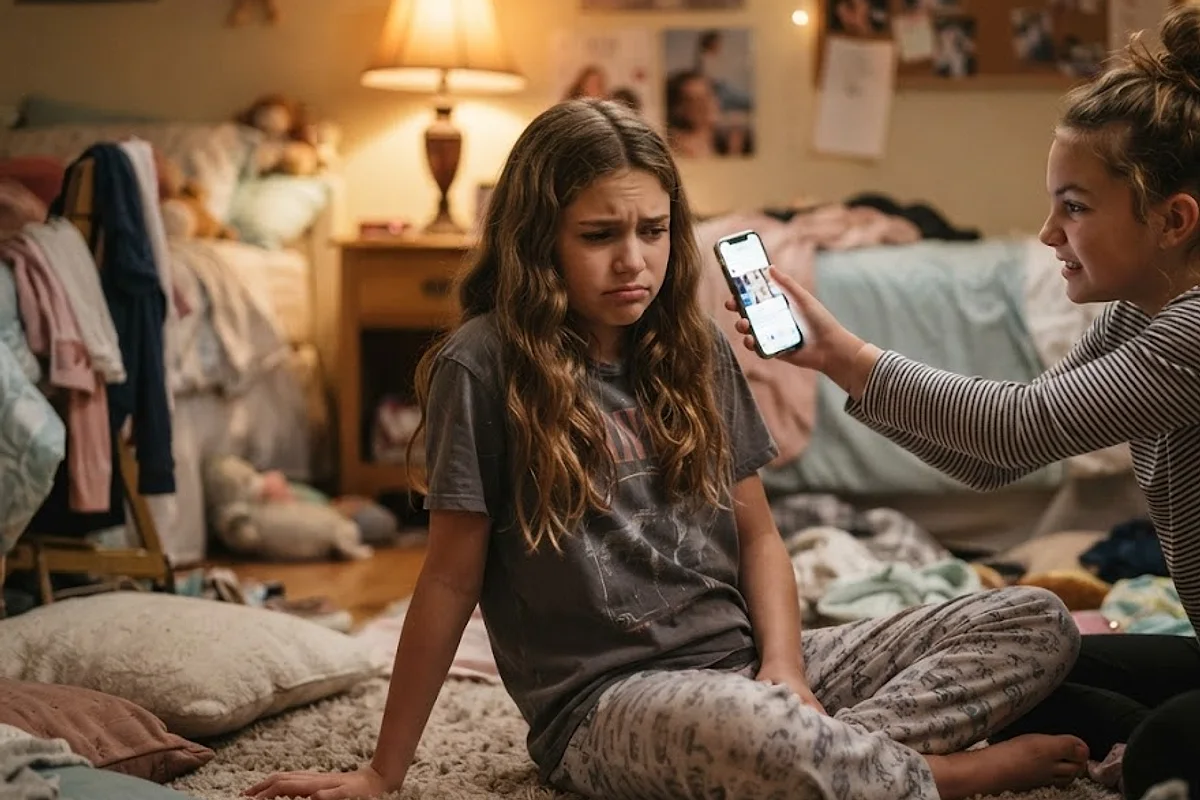 Healthy or Not?
Not Every Friendship Feels Good
- Children may stay in friendships that leave them feeling worse.
- Saying no to a friend can feel impossible.
- Without clear boundaries, pressure is harder to resist.
Strong relationships aren't just luck or personality. They rely on skills children can understand, practice, and build over time.
Why Relationship Skills Matter More as They Grow
As children get older, friendships become a bigger part of their world and a bigger source of both support and stress. More of that social life happens away from adults.
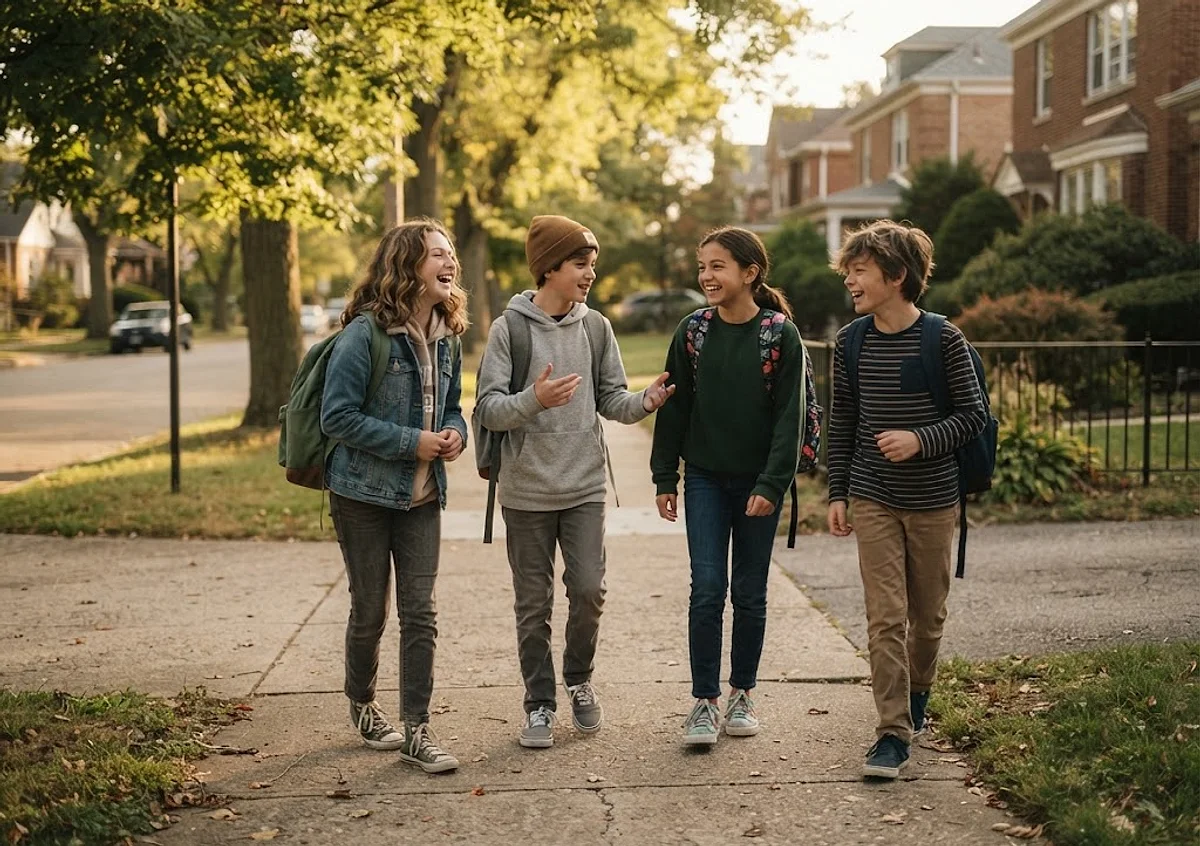
Their Social World Is Expanding
- Friends become a main source of support. Peers increasingly shape how children feel about themselves and how they handle hard days.
- Communication gets more complex. Tone, body language, and messages can be misread, especially when conversations move online.
- Trust takes more to build. Keeping secrets, showing up, and being reliable become central to whether a friendship lasts.
- Boundaries become essential. Children need to know their limits and feel able to say no, even to people they like.
- Change is part of friendship. New schools, interests, and groups test friendships, and children need ways to adapt or let go with care.
The goal isn't a child with the most friends. It's one who can build relationships that are healthy, trusting, and worth keeping.
What Relationship Building Basics Helps Your Child Develop
Relationship skills aren't a fixed trait. The course breaks them into specific capabilities children can understand, practice with others, and strengthen over time.
Building Trust
Understand how consistency, honesty, and reliability build trust, and how trust can be rebuilt.
Listening to Connect
Practice active listening and empathy, and notice body language and tone in conversations.
Working Through Conflict
Handle disagreements and give or receive feedback without losing the friendship.
Spotting Healthy Relationships
Recognize the signs of healthy and unhealthy relationships and what to do about them.
Setting Boundaries
Know their limits, say no when they need to, and balance openness with caution.
These capabilities work together: trust, listening, and boundaries help children build relationships that support them, and keep them going.
Inside the Course — Four Modules, From First Steps to Lasting Friendships
The course starts with what makes a relationship healthy, builds communication and trust, and ends with keeping relationships strong through change.
- 01
Understanding Relationship Building
What healthy relationships look like.
- Recognize the benefits and different types of relationships.
- Understand why trust is the foundation of every connection.
- Tell healthy relationships from unhealthy ones.
- Learn first steps for building and maintaining friendships.
- 02
Effective Communication Strategies
Communicating in ways that strengthen connection.
- Practice active listening and empathy in conversations.
- Notice how body language and eye contact affect understanding.
- Express ideas clearly and concisely.
- Give feedback and receive criticism without getting defensive.
- 03
Building Trust and Connections
Trust, boundaries, and emotional safety.
- Understand what builds trust, and how to rebuild it.
- Set and respect personal boundaries.
- Balance sharing feelings with appropriate caution.
- Practice the power of saying no.
- 04
Maintaining Long-Lasting Relationships
Keeping relationships strong through change.
- Learn strategies for sustaining relationships over time.
- Work through issues and support friends through hard times.
- Build a support system they can count on.
- Recognize when it's time to say goodbye, and do it with care.
Course structure
- 4Modules
- 28Instructional Lessons
- 8Practice Activities
 Course badgeMirror Hare — The Reflector
Together, the modules move children from understanding healthy relationships to building and keeping them in their own lives.
From Learning to Real Life — How Your Child Practices Relationship Skills
Knowing how to be a good friend is one thing. Listening well during an argument or saying no to a friend takes practice, reflection, and real situations.
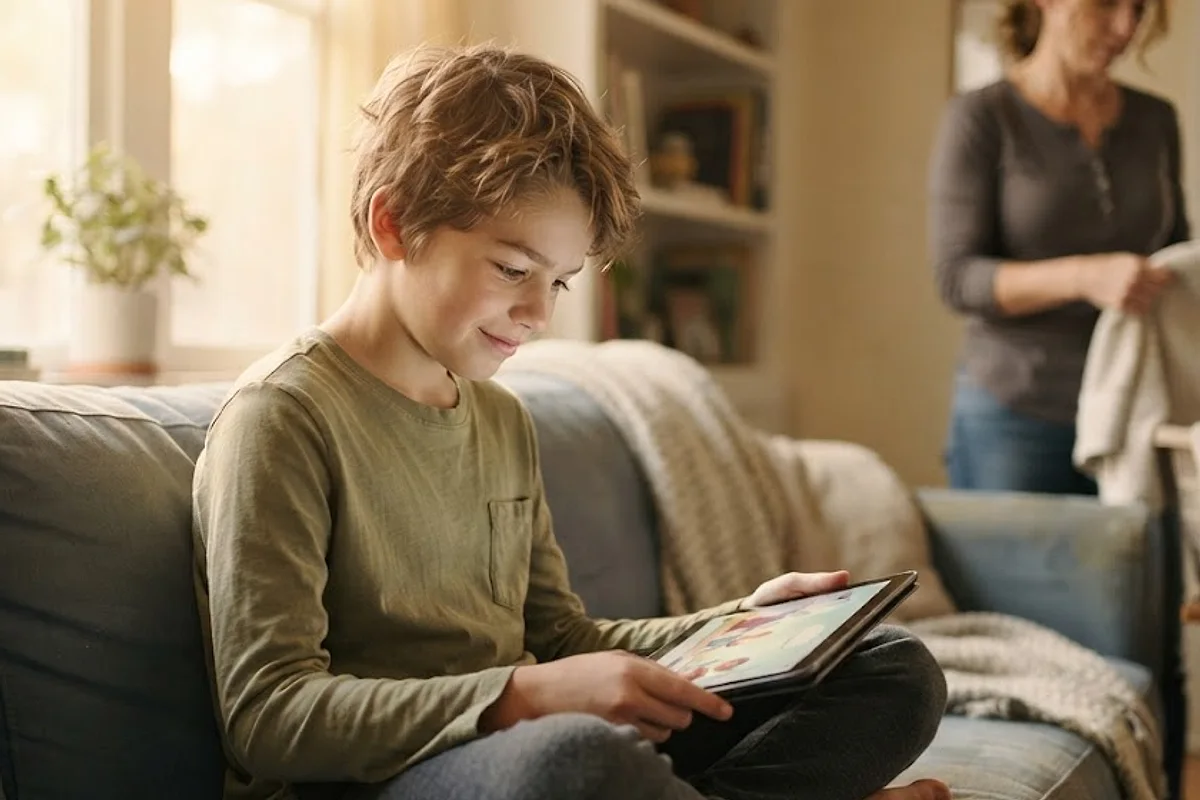 01Learn
See Healthy Relationships in Action
- Watch short animated lessons set in familiar friendships and families.
- See characters build trust, misunderstand, and repair.
- Discover strategies like active listening and setting boundaries.
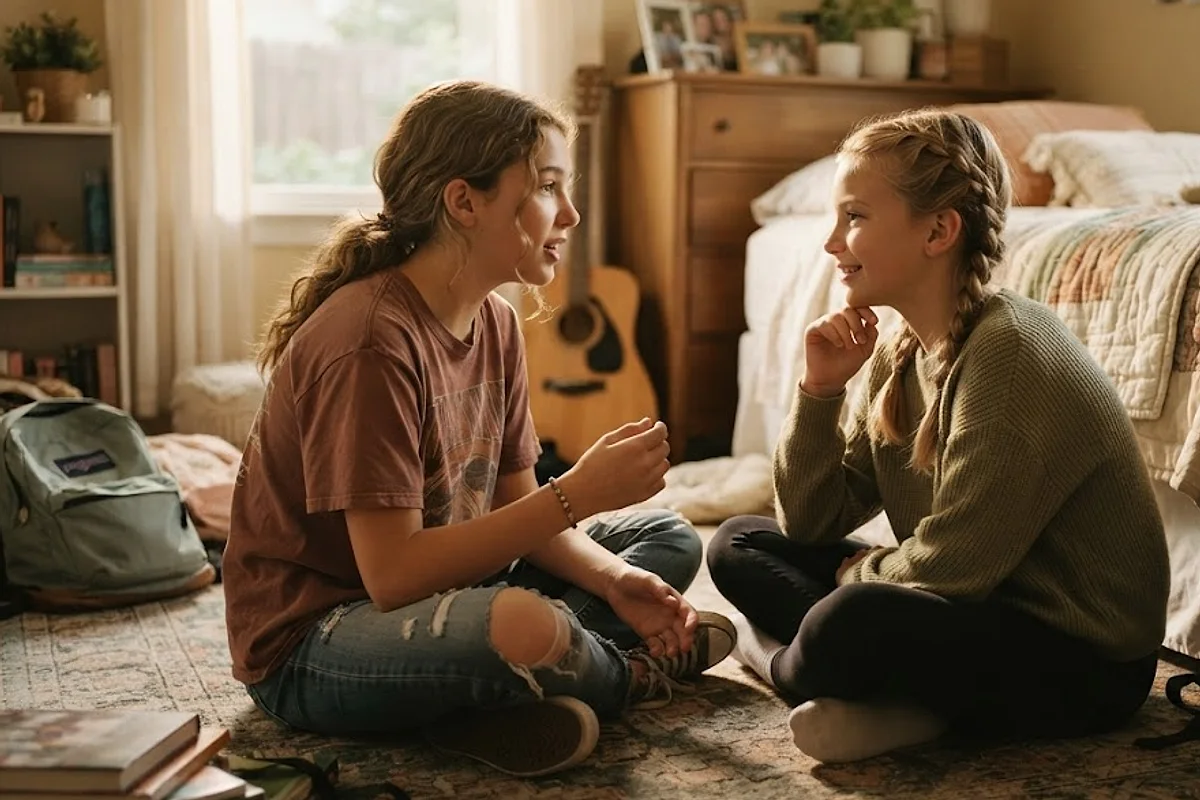 02Practice & Reflect
Think Through Real Situations
- Work through scenarios about trust, conflict, and pressure.
- Decide what a healthy response looks like in each situation.
- Reflect on their own relationships in each module exercise.
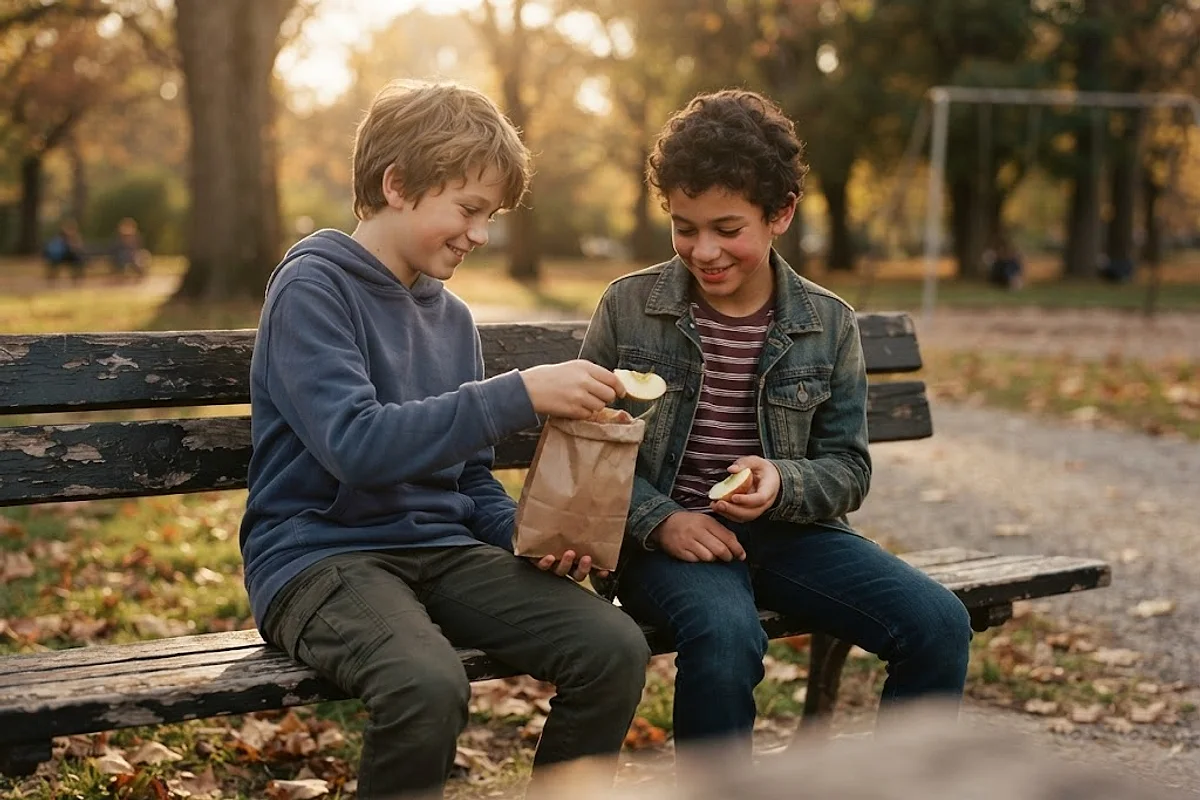 03Apply
Strengthen Real Relationships
- Practice listening fully before replying in a conversation.
- Reach out to a friend or check in after a disagreement.
- Say no to something that doesn't feel right.
- Talk with a parent about what helped a friendship.
Progress isn't never having conflict. It's repairing a little faster and choosing relationships that feel healthy.
What Research Tells Us About Friendships, Social Skills & Well-Being
Researchers have studied how relationships in childhood and adolescence connect to later well-being. These findings describe general patterns, not guarantees for any individual child or for this course.
- Close Friends Matter
Strong friendships at 15 linked to later well-being.
- A study following 169 teens found close friendships at 15 predicted higher self-worth at 25.
- Those teens also showed less anxiety and depression in early adulthood.
- Being popular with a wider group did not show the same benefit.
- Social Skills Early
Social skills in childhood have lasting links.
- Kindergarten teachers rated children's social skills, like sharing and cooperating.
- Those ratings were linked to education, work, and well-being 13 to 19 years later.
- These are associations, not proof that social skills alone caused the outcomes.
- Connection and Health
Relationships matter across life.
- A review of 148 studies with over 300,000 adults linked stronger social relationships to longer life.
- The effect was comparable to well-known health risk factors.
- The research was with adults, not children.
The evidence suggests relationships matter for well-being, and that social skills are worth developing early. Relationship Building Basics is built around that approach, without promising quick or guaranteed change.
How Relationship Building Basics Supports Three Learning Journeys
The course appears in three programs. In each, it arrives at a different point and builds on different courses that came before it.
Why It Belongs in All Three
- In Leadership, it shows that influence needs trust. After Building Leadership Skills, children learn that lasting influence depends on connection, respect, and reliability.
- In Leadership, it prepares for integrity. Trust becomes the base for Making Responsible Choices, where actions need to reflect sound judgment.
- In Foundations, it brings social skills together. After Cultivating Empathy, children combine emotional awareness, communication, and empathy in real friendships.
- In Foundations, it prepares for harder situations. Knowing what healthy looks like helps in Identifying and Dealing With Bullies, which explores harmful behavior.
- In Emotional Skills, it brings the program together. After Communication Foundations, children apply listening and expression to friendships, then repair conflicts in Conflict Resolution Foundations.
The Leadership Development ProgramCourse 4 of 7
- 1–3Three Earlier CoursesConfidence · Communication · Leadership
- 4This CourseRelationship Building BasicsTrust & Connection
- 5Making Responsible ChoicesEthics & Accountability
- 6–7Two Later CoursesConflict · Teamwork
The Foundations ProgramCourse 5 of 7
- 1–4Four Earlier CoursesSelf-Awareness · Emotions · Communication · Empathy
- 5This CourseRelationship Building BasicsFriendships & Relationships
- 6Identifying and Dealing With BulliesSocial Safety & Self-Advocacy
- 7What is Gratitude?Appreciation & Positive Connection
The Emotional Skills ProgramCourse 6 of 7
- 1–4Four Earlier CoursesSelf-Awareness · Emotions · Social Awareness · Choices
- 5Communication FoundationsExpression & Listening
- 6This CourseRelationship Building BasicsTrust & Connection
- 7Conflict Resolution FoundationsNavigating Disagreements
In every program, the course isn't a standalone fix. It's one step in a longer sequence that gives relationship skills time to develop.
Frequently Asked Questions About Relationship Building Basics
Practical answers about what your child will learn, what the course asks of your family, and how it fits into Bloomster's programs.
Who is Relationship Building Basics designed for?
It uses everyday situations relevant to children roughly 9 to 14. It is the fifth course in the Foundations Program, designed around ages 9–10, the fourth in the Leadership Development Program, and the sixth in the Emotional Skills Program, both of which work for children from 9 to 14. What your child is experiencing matters more than an exact age.
What will my child learn in this course?
Children explore what makes relationships healthy, how to communicate with active listening and empathy, how trust is built and rebuilt, how to set boundaries and say no, and how to keep relationships strong through conflict and change.
My child struggles to make friends. Will this help?
The course covers first steps for starting and building friendships, along with the listening and trust skills that help them last. Every child's social world is different, and progress takes time. Your encouragement and chances to practice outside school make a difference.
How long does the course take?
Your child moves at their own pace. The four modules contain 28 short animated lessons, 8 practice activities, and a module exercise at the end of each. Inside a program, courses are spaced across roughly a year, which gives this one several weeks to settle into daily life.
How much time should my child spend on it each week?
We suggest two 30-minute learning sessions each week. A steady rhythm leaves time between sessions to try a skill with friends or family. If a week gets missed, simply pick up again; one missed session doesn't undo the progress.
Do I need to be involved as a parent?
You don't need to teach the course. Protect the learning time, notice what your child is working on, and listen when they talk about friendships without rushing to fix things. Bloom, the parent side of Bloomster, helps you follow along.
Does the course cover unhealthy friendships and peer pressure?
Yes. Children learn to recognize the signs of unhealthy relationships, set boundaries, and practice saying no. The course doesn't replace adult help in serious situations. If your child is being bullied or harmed, please involve their school and other trusted adults.
Is this course about family relationships too?
Mostly it focuses on friendships, but the skills of trust, listening, boundaries, and working through issues apply to family relationships as well. Children explore different types of relationships and the role each one plays in their lives.
Can I enroll my child in this course by itself?
Bloomster is organized around learning journeys rather than single-course purchases. Relationship Building Basics is part of the Leadership Development, Foundations, and Emotional Skills programs, and it may also be recommended within a Personalized Course Journey. Finding your start shows where your child might begin.
How will I know whether my child is making progress?
Look for small signs: listening more before responding, repairing after a disagreement, talking about a friendship that doesn't feel right, or saying no more comfortably. Progress is rarely a straight line, and a friendship setback is not a failure.
Explore the Leadership Development, Foundations and Emotional Skills Programs — See the Bigger Journey
Relationships are one capability among many. Each program connects them with emotional awareness, communication, empathy, and leadership.
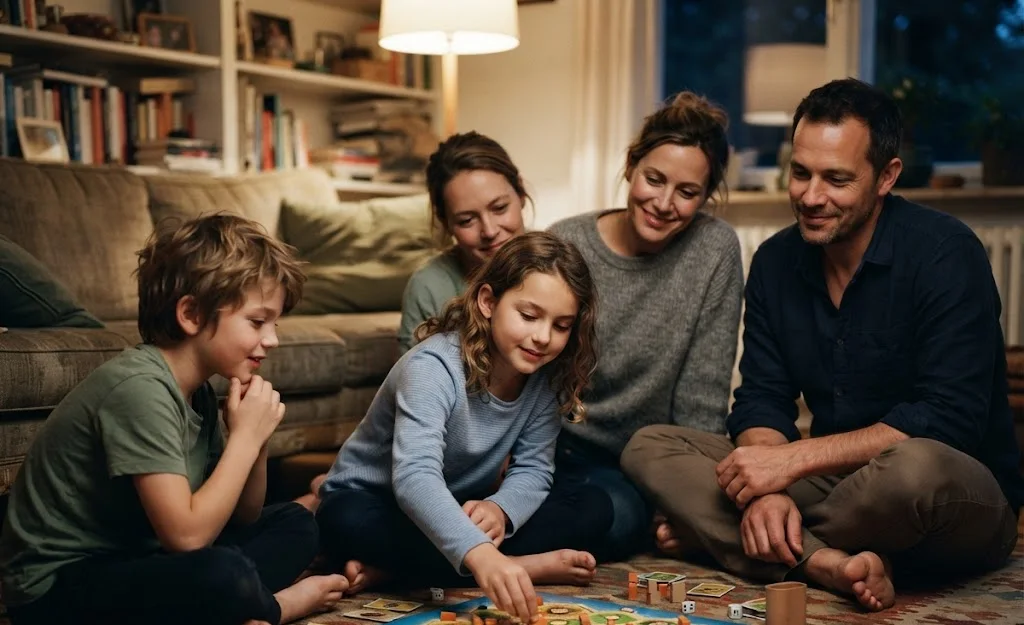
Relationship Skills Grow Alongside Other Skills
- This course builds trust, listening, boundaries, and the skills to keep friendships strong.
- Earlier courses develop the emotional awareness, communication, and empathy relationships draw on.
- Later courses apply those skills to responsible choices, conflict, and handling harmful behavior.
- Steady practice across months gives these capabilities time to connect in everyday life.
Explore how each program sequences its seven courses, and which journey fits what your child needs right now.
 Free PDF · No account neededFree Relationship Management Guide for ParentsReal-life scenarios and questions to talk through friendships and relationships with your child at home.
Good relationships aren't about pleasing everyone. They're about your child building connections that are honest, respectful, and lasting.