
Making Responsible Choices
Your Child Makes Choices Every Day. More of Them Now Happen Without You.
Help your child think through consequences, stand by their values under pressure, and learn from the choices that go wrong.
- 4Core Modules
- 32Lessons & Exercises
- 12Developmental Subskills
- 3Learning Programs
Why Do Good Kids Make Choices They Regret?
They know the rule, then go along with friends, act on impulse, or don't think about what happens next. Often it isn't values. Deciding well takes practice.
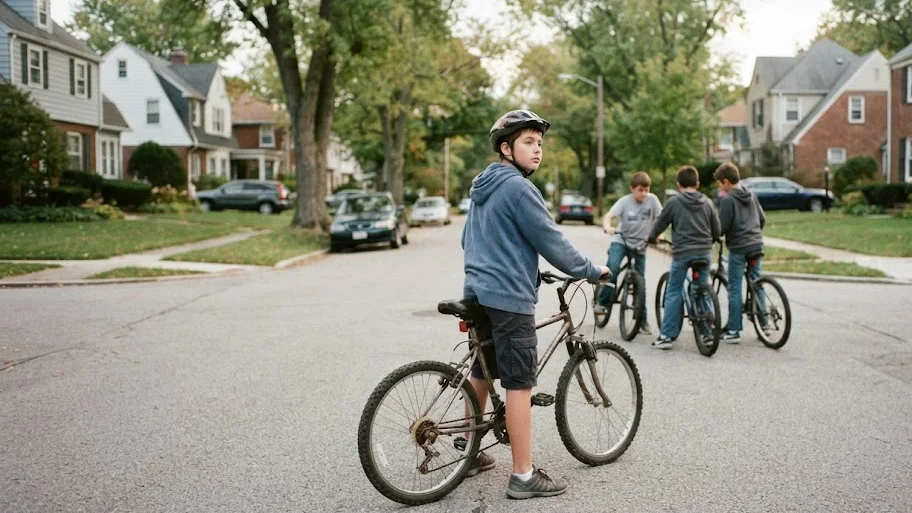
 Peer Pressure
Going Along With the Group
- Fitting in can feel more important than the right choice.
- Saying no to friends is genuinely hard.
- Pressure doesn't always look obvious or loud.
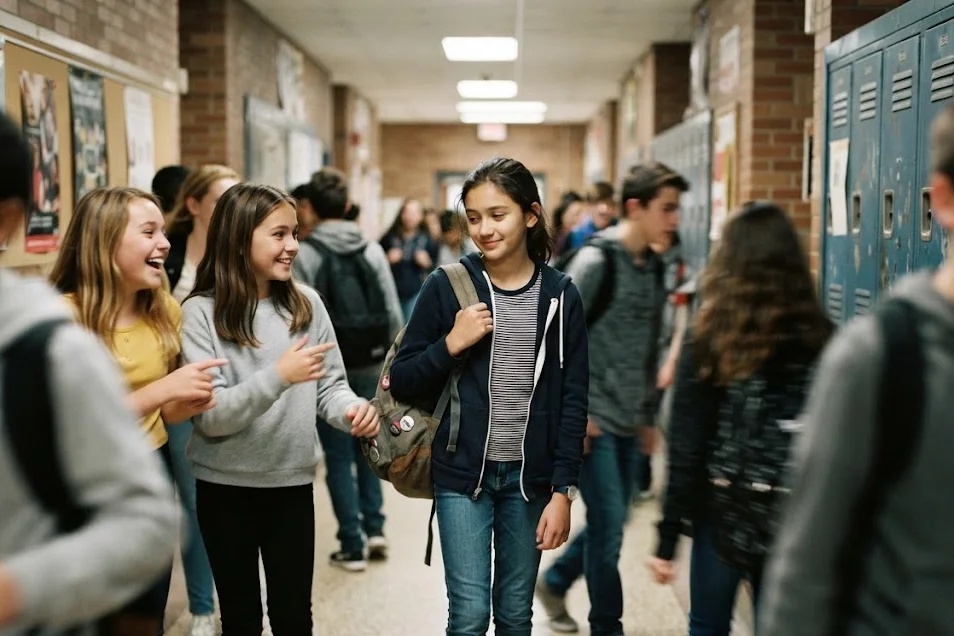
 Right Now
Not Thinking Ahead
- Quick rewards win over longer-term consequences.
- They may not picture how a choice affects others.
- "I didn't think about it" is a common explanation.
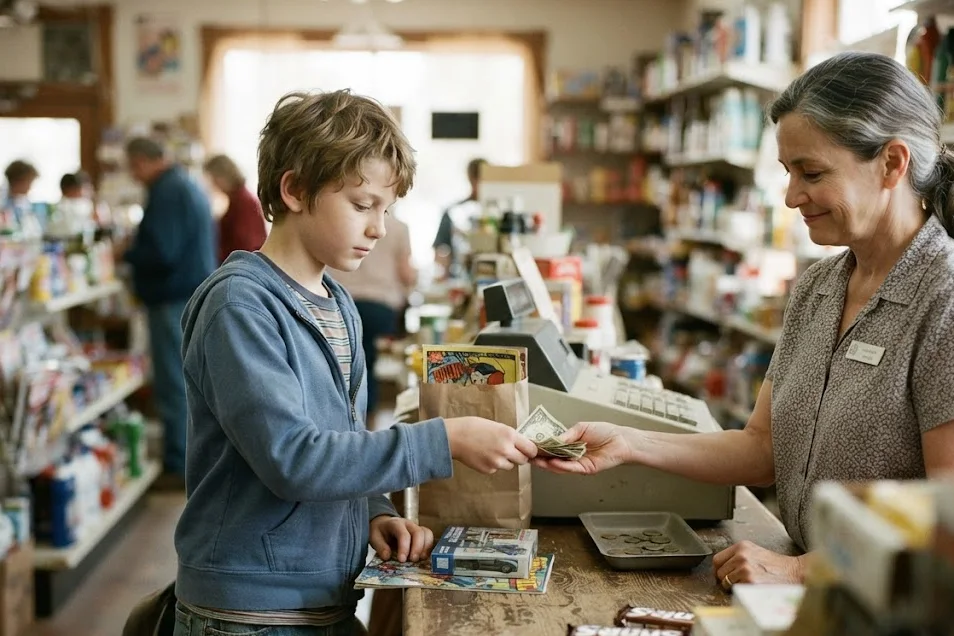
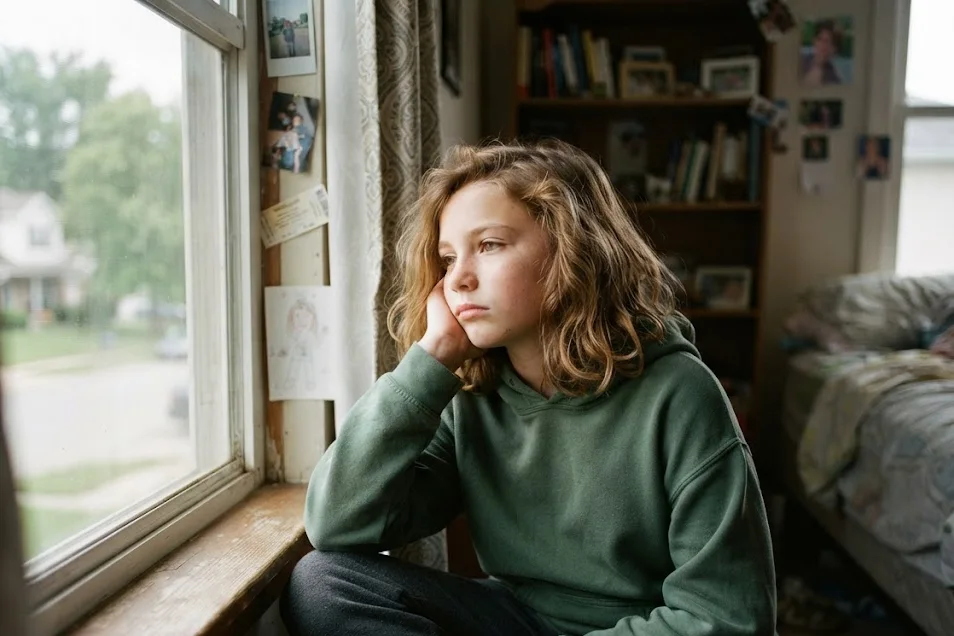 After a Mistake
Hiding Instead of Learning
- Mistakes can feel too embarrassing to talk about.
- Shame makes it harder to learn from what happened.
- The same choice can repeat without reflection.
Making responsible choices isn't a trait children either have or lack. It can be learned, practiced, and strengthened one decision at a time.
Why Decision-Making Matters More as They Grow
As children gain independence, more decisions happen away from adults, and the consequences start to matter more for them and for others.
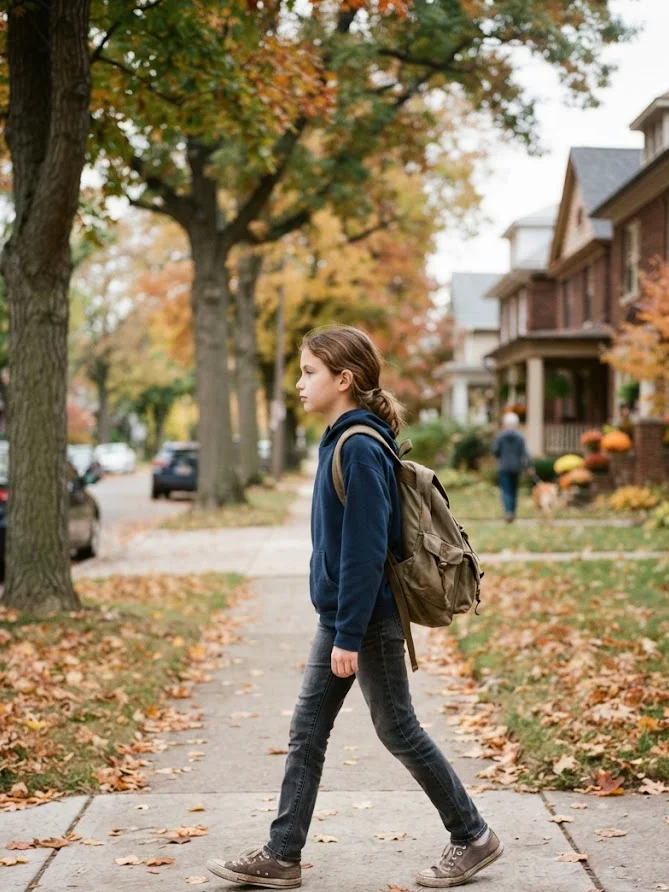
More Choices Are Theirs
- More freedom, more decisions. Phones, free time, and friendships bring daily choices that adults no longer make for them.
- Peers become more influential. Research shows young adolescents take more risks with friends watching, so values need to be clear.
- Choices ripple outward. Decisions affect friends, family, and community, and noticing that helps children choose more carefully.
- Mistakes are part of growing. Learning from a bad decision builds better judgment than avoiding all risk.
- Responsibility isn't obedience. Good decision-making means choosing what fits their own values, not just following rules.
The goal isn't a child who never makes a mistake. It's one who thinks before choosing and learns when a choice goes wrong.
What Making Responsible Choices Helps Your Child Develop
Responsible decision-making isn't one skill. The course breaks it into specific capabilities children can understand, practice, and strengthen over time.
Thoughtful Decisions
Use a step-by-step process to gather information and weigh options before deciding.
Spotting Blind Spots
Recognize personal biases and habits that quietly tilt their choices, and seek other views.
Thinking Through Consequences
Picture short-term and long-term outcomes for themselves and others before acting.
Choosing by Their Values
Make decisions that reflect what they believe, even when it isn't the easy or popular choice.
Logic and Creativity Together
Combine careful reasoning with creative thinking when a decision is complex.
Each capability supports the others: knowing their values, seeing their blind spots, and thinking ahead help children make choices they can stand behind.
Inside the Course — Four Modules, From Basics to Ripple Effects
The course starts with how decisions work, tackles what gets in the way, teaches recovery from mistakes, and ends with how choices affect others.
- 01
Basics of Decision-Making
How decisions work and how to make them well.
- Approach decisions responsibly, using systematic and creative methods.
- Understand how values, emotions, and logic all shape decisions.
- Gather information first and follow a step-by-step process.
- Stay open-minded and flexible when choices are complex.
- 02
Roadblocks in Decision-Making
Pressure, blind spots, and outside influences.
- Understand how peer pressure and expectations influence decisions.
- Develop strategies for handling inner and outer pressure.
- Recognize blind spots and seek diverse perspectives.
- Gain practical tools for resisting negative influences.
- 03
Recovering From Mistakes in Decision-Making
Learning from choices that go wrong.
- See mistakes as opportunities to learn and improve future decisions.
- Bring personal values into how they make decisions.
- Reflect regularly on successes and failures to sharpen judgment.
- Check whether their decisions still align with their values.
- 04
How Decision-Making Impacts Yourself and Others
Consequences, ripple effects, and risk.
- Explore how decisions affect themselves and others, now and later.
- Anticipate and manage the ripple effects of their choices.
- Practice safety and risk management in decision-making.
- Balance immediate gains with long-term outcomes.
Course structure
- 4Modules
- 28Instructional Lessons
- 8Practice Activities
 Course badgeKomodo — The Challenger
Together, the modules move children from understanding decisions to making them responsibly, with their values and other people in mind.
From Learning to Real Life — How Your Child Practices Responsible Choices
Knowing the right choice is easier than making it with friends watching. Decision-making grows through practice, reflection, and real situations.
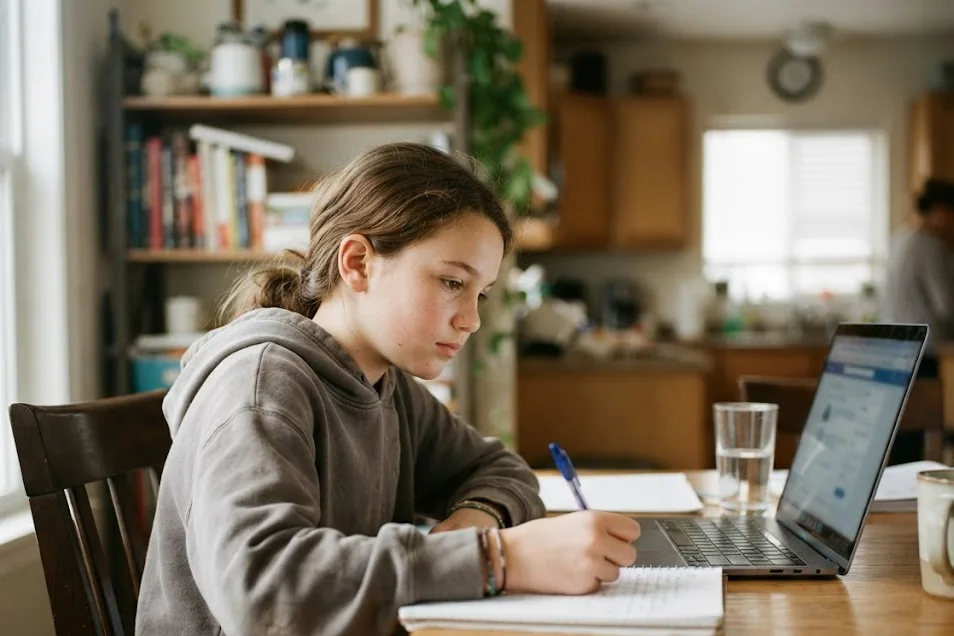 01Learn
Understand How Decisions Work
- Watch short animated lessons about everyday choices.
- See characters face pressure, blind spots, and consequences.
- Discover tools for weighing options and thinking ahead.
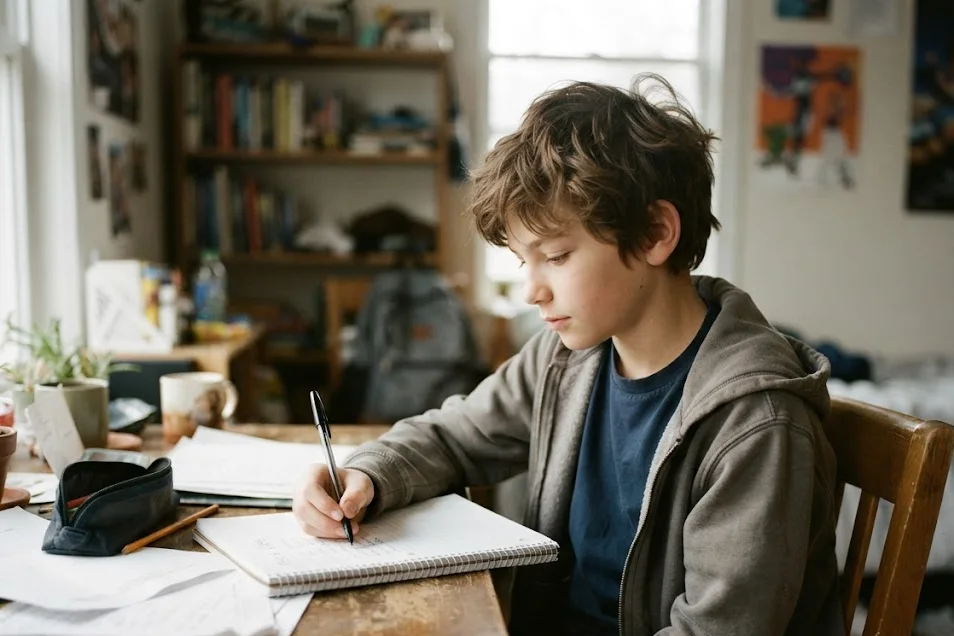 02Practice & Reflect
Weigh the Options
- Work through scenario-based Try Its where available.
- Predict how a choice might affect themselves and others.
- Reflect on their own decisions in module exercises.
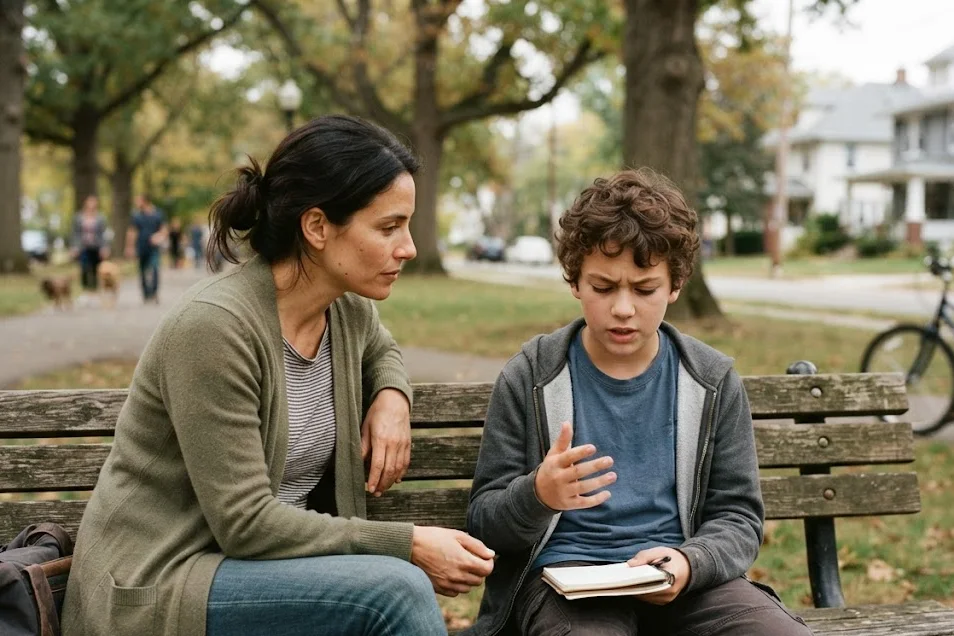 03Apply
Choose Well Beyond the Screen
- Pause and name the options before a big choice.
- Ask "who else does this affect?"
- Practice a way to say no to friends.
- Talk with a parent about a decision they're proud of.
Success isn't a perfect record. It's thinking a little further ahead and learning when a choice goes wrong.
What Research Tells Us About Peers, Risk & Decision-Making
Researchers have studied how adolescents make decisions, especially around peers. These findings describe general patterns, not predictions for any individual child.
- Peers Change Choices
Friends watching raises risk-taking.
- In a study of 306 people, adolescents aged 13–16 took more risks with peers present.
- Peer effects were stronger for teens and young adults than for adults.
- The tasks were questionnaires and a simulated driving game.
- The Brain Responds
Peers heighten the pull of rewards.
- Brain scans showed reward areas were more active in teens when peers watched.
- That activity predicted riskier choices in a driving task.
- This helps explain why peer moments are hard, not that teens can't choose well.
- Resistance Grows
Resisting peer influence develops with age.
- A study of more than 3,600 people aged 10–30 measured resistance to peer influence.
- Resistance increased steadily between ages 14 and 18.
- There was little growth between 10 and 14, a time worth extra support.
The evidence points to the tween years as a key time: peer pressure is strong and resistance is still developing. Making Responsible Choices is built to support that stage, without promising guaranteed results.
How Making Responsible Choices Supports Three Learning Journeys
The course appears in three programs. In each, it arrives at a different point and builds on different courses that came before it.
Why It Belongs in All Three
- In Readiness, it follows mindfulness. After Mindful You: Living with Purpose, children bring calm, purposeful attention to weighing their choices.
- In Emotional Skills, it connects feelings and actions. After Human Dynamics, children consider how their decisions affect others before Communication Foundations.
- In Leadership Development, it builds integrity. Following Relationship Building Basics, children learn that trust depends on responsible choices, before Conflict Resolution Foundations.
- In every program, it supports what follows. Good judgment carries into problem-solving, communication, conflict, and leadership later in each journey.
The Readiness ProgramCourse 2 of 7
- 1Mindful You: Living with PurposePurpose & Values
- 2This CourseMaking Responsible ChoicesJudgment & Decisions
- 3Developing SuperHuman Problem-Solving SkillsComplex Problem-Solving
- 4–7Four Later CoursesOnline Safety · Money · Goals · Mindfulness
The Emotional Skills ProgramCourse 4 of 7
- 1–3Three Earlier CoursesSelf-Awareness · Emotions · Social Awareness
- 4This CourseMaking Responsible ChoicesJudgment & Accountability
- 5Communication FoundationsExpression & Listening
- 6–7Two Later CoursesRelationships · Conflict
The Leadership Development ProgramCourse 5 of 7
- 1–4Four Earlier CoursesConfidence · Communication · Leadership · Relationships
- 5This CourseMaking Responsible ChoicesEthics & Accountability
- 6Conflict Resolution FoundationsConstructive Conflict & Repair
- 7Understanding Why Teamwork MattersCollaboration & Shared Success
In any program, the course isn't a standalone fix. It's one step in a longer sequence that gives judgment time to develop.
Frequently Asked Questions About Making Responsible Choices
Practical answers about what your child will learn, what the course asks of your family, and how it fits into Bloomster's programs.
Who is Making Responsible Choices designed for?
It uses everyday situations relevant to children roughly 9 to 14. It is the second course in the Readiness Program, designed around ages 12–14, the fourth in Emotional Skills, and the fifth in Leadership Development, both of which work for children from 9 to 14.
What will my child learn in this course?
Children learn a step-by-step decision-making process, how values, emotions, and logic shape choices, and how to handle peer pressure and blind spots. They practice recovering from mistakes, thinking about consequences, and considering how choices affect others.
Will this help my child handle peer pressure?
Module 2 focuses on pressure from peers and expectations, with practical tools for resisting negative influences and sticking to their values. It can't guarantee a particular choice in the moment, but it helps your child think it through in advance.
How long does the course take?
Your child moves at their own pace. The four modules contain 28 short animated lessons, 8 practice activities, and a module exercise at the end of each. Inside a program, courses are spaced across roughly a year, which gives this one several weeks to settle into daily life.
How much time should my child spend on it each week?
We suggest two 30-minute learning sessions each week. Everyday choices between sessions, about time, money, or friends, give your child natural chances to practice. If a week gets missed, simply pick up again.
Do I need to be involved as a parent?
You don't need to teach the course. Protect the learning time, notice what your child is working on, and talk through decisions with curiosity rather than lectures, especially after a mistake. Bloom, the parent side of Bloomster, helps you follow along.
Is this course about following rules?
No. The course treats responsibility as making choices that fit your child's own values and consider others, not simply obeying. Children learn to think for themselves, which matters most when no adult is around.
What if my child already made a bad decision?
Module 3 is about exactly that: recovering from mistakes. Children learn to treat a bad decision as information, reflect on what happened, and choose differently next time, without shame getting in the way.
Can I enroll my child in this course by itself?
Bloomster is organized around learning journeys rather than single-course purchases. Making Responsible Choices is part of the Readiness, Emotional Skills, and Leadership Development programs, and it may also be recommended within a Personalized Course Journey. Finding your start shows where your child might begin.
How will I know whether my child is making progress?
Look for small signs: pausing before a choice, mentioning how something might affect others, saying no to a friend, or talking openly about a mistake. Progress is rarely a straight line, and a poor choice is not a failure.
Explore the Readiness, Emotional Skills and Leadership Programs — See the Bigger Journey
Responsible decision-making is one capability among many. Each program connects it with mindfulness, relationships, problem-solving, and leadership.
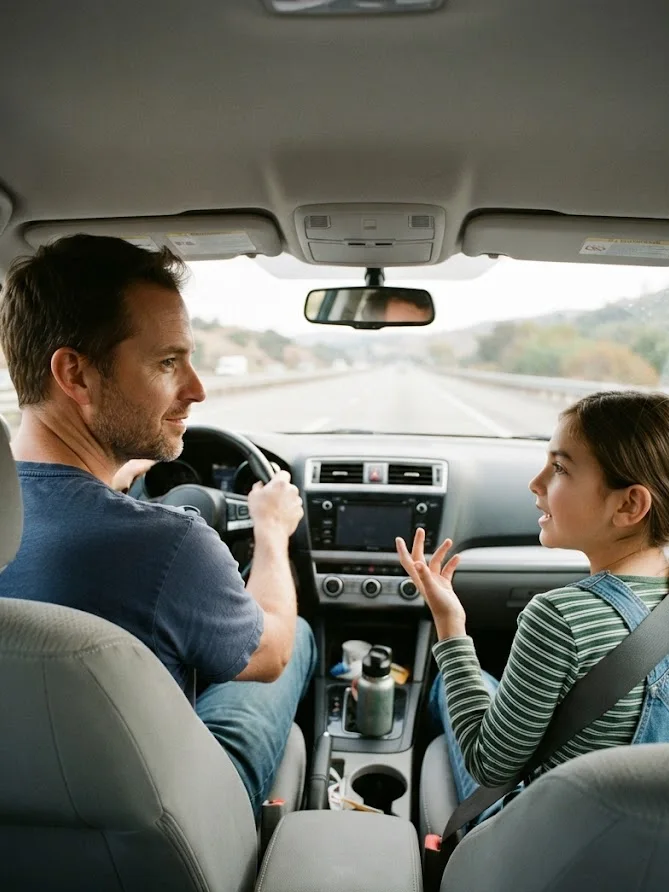
Judgment Grows Alongside Other Skills
- This course builds the skills to think ahead, choose by their values, and learn from mistakes.
- Earlier courses develop the awareness and calm that good decisions draw on.
- Later courses apply that judgment to problems, communication, conflict, and leadership.
- Steady practice across months gives these capabilities time to connect in everyday life.
Explore how each program sequences its seven courses, and which journey fits what your child needs right now.
 Free PDF · No account neededFree Responsible Decision-Making Guide for ParentsReal-life scenarios and questions to talk through choices and consequences with your child at home.
Responsible choices aren't about never getting it wrong. They're about your child thinking for themselves and growing from each decision.