
Confident You: Believe in Yourself
Your Child Has More Strengths Than They See. Confidence Starts With Noticing Them.
Help your child recognize what they're good at, talk to themselves with kindness, and try new things even when they might fail.
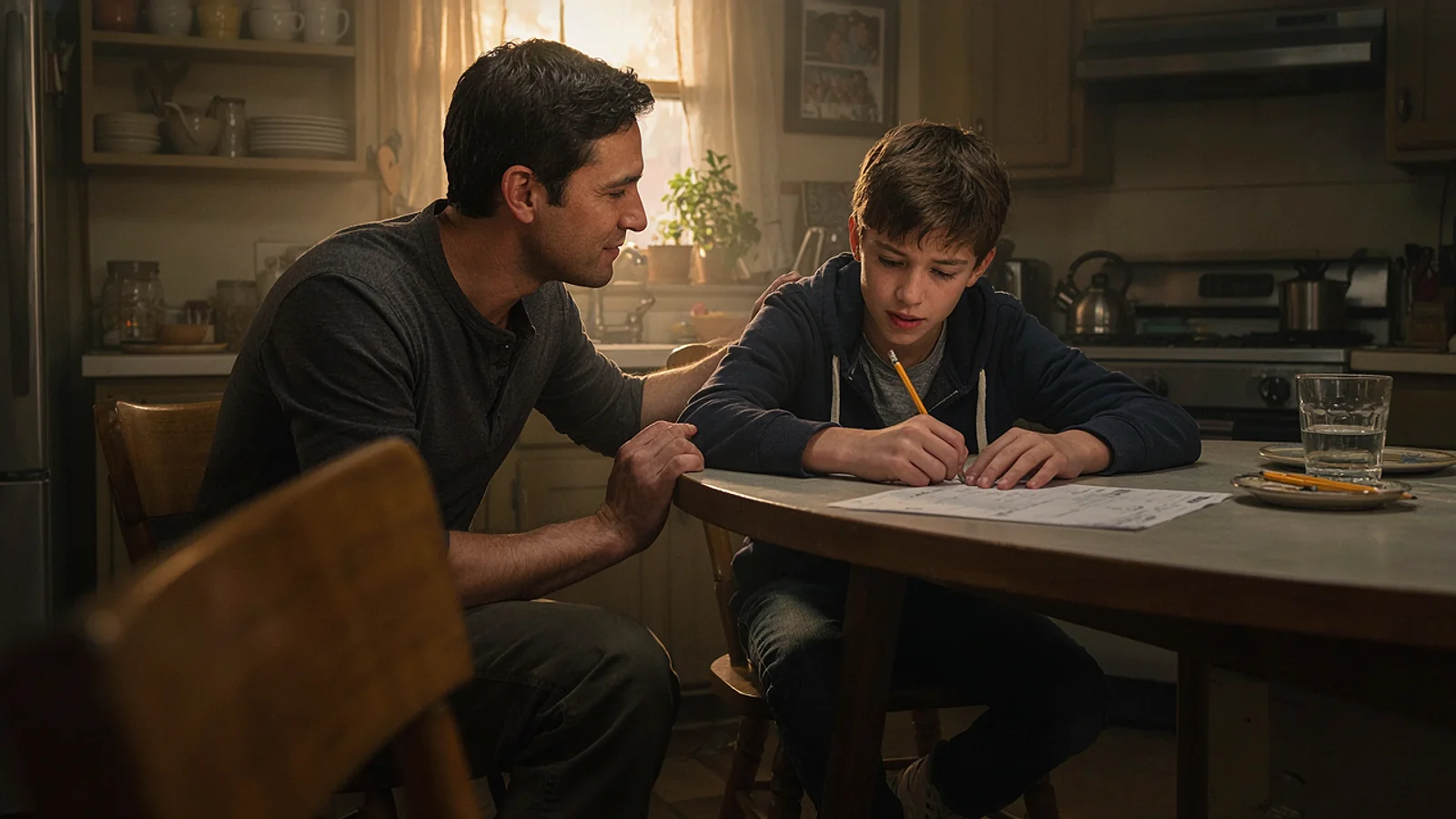
- 4Core Modules
- 36Lessons & Exercises
- 12Developmental Subskills
- 3Learning Programs
Why Do Capable Kids Doubt Themselves?
Your child may be talented, kind, and capable, and still say "I'm bad at this" before they even begin. Often confidence isn't missing. It's buried under doubt.
 The Inner Critic
"I'm Just Not Good at This"
- Negative self-talk can sound like a fact, not a thought.
- One mistake can feel like proof they aren't capable.
- Praise from others may not outweigh the voice inside.
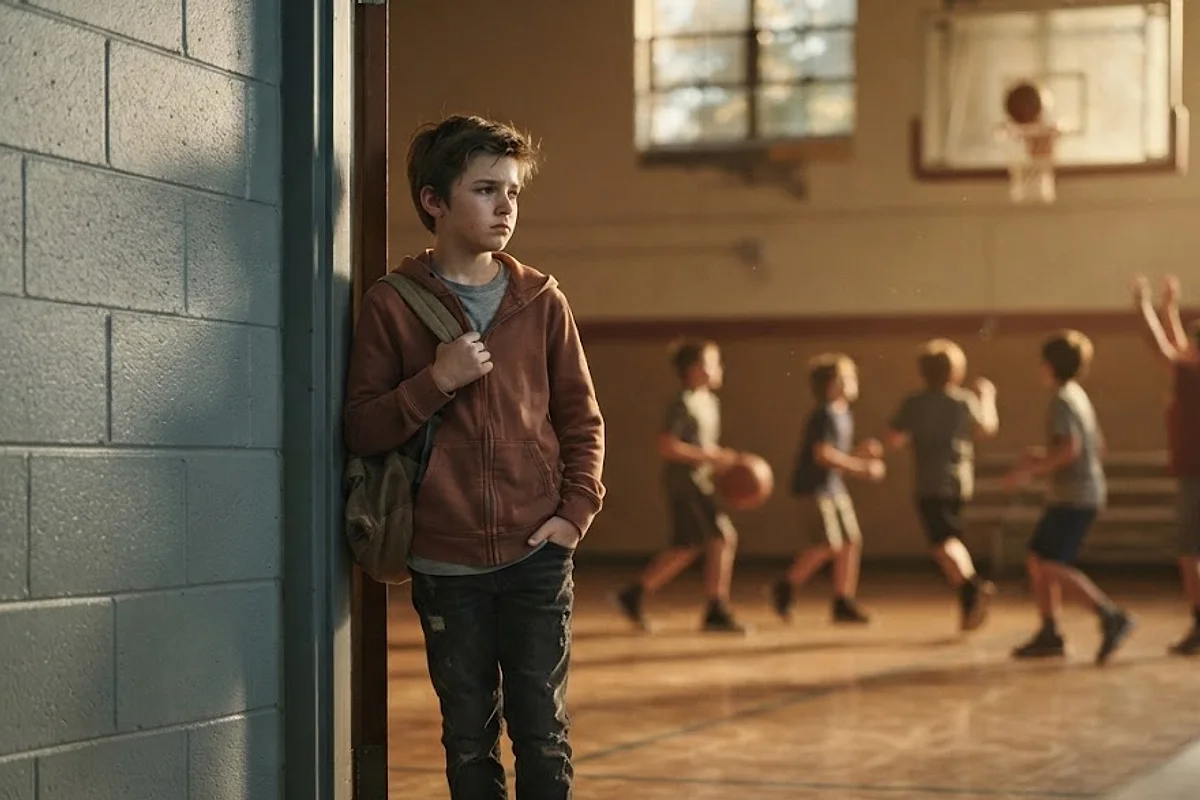 Playing It Safe
Holding Back Feels Safer
- New activities get turned down before they're tried.
- Raising a hand or speaking up feels too risky.
- Avoiding failure can also mean avoiding growth.
 Comparing Themselves
Everyone Else Seems Better
- Children often measure themselves against friends and classmates.
- Their own strengths can go unnoticed or feel ordinary.
- Comparison can make one weakness feel like the whole story.
Confidence isn't a personality type. It can be understood, practiced, and gradually built from the inside.
Why Confidence Matters More as They Grow
As children grow, they face more new situations, more comparison, and more chances to try something hard. How they see themselves shapes what they're willing to attempt.

More Moments Ask for Self-Belief
- New challenges keep coming. New schools, teams, and subjects ask children to try things before they feel ready.
- Peers matter more. Opinions of friends and classmates carry more weight, and fear of looking foolish can hold children back.
- Setbacks get more visible. Grades, tryouts, and performances bring mistakes into the open, and children decide what those mistakes mean.
- Self-belief shapes effort. Children who believe they can improve are more likely to keep trying when work gets difficult.
- Confidence isn't arrogance. Healthy confidence includes knowing their weaknesses, asking for help, and celebrating others' strengths too.
The goal isn't a child who is never nervous. It's one who is gradually willing to try, even when success isn't certain.
What Confident You: Believe in Yourself Helps Your Child Develop
Confidence isn't a fixed trait. The course breaks it into specific capabilities children can understand, try in their own lives, and strengthen over time.
Feeling Good About Who They Are
Build steady self-esteem that doesn't depend on winning, grades, or other people's approval.
Knowing Their Strengths
Identify what they like and what they're good at, and use those strengths to move forward.
Answering the Inner Critic
Catch negative self-talk and replace it with encouraging, realistic thoughts that support them.
Taking Healthy Risks
Tell smart risks from costly ones and step outside their comfort zone to try new things.
Learning From Failure
See mistakes as part of growing, recover from setbacks, and set realistic goals for next time.
Each capability supports the others: knowing their strengths, speaking to themselves kindly, and treating mistakes as a step instead of a stop.
Inside the Course — Four Modules, From Self-Esteem to Courage
The course starts with what confidence and self-esteem are, helps children discover their strengths, changes how they talk to themselves, and ends with trying new things.
- 01
Self-Confidence and Self-Esteem
What confidence is, and why it matters.
- Understand the difference between self-confidence and self-esteem.
- Recognize examples of healthy and low self-confidence.
- Identify the traits of people with healthy self-esteem.
- Explore how confidence affects choices and relationships.
- 02
Learning About Yourself
Discovering strengths and interests.
- Identify what they like and what they're good at.
- Look honestly at strengths and areas for growth.
- Learn that asking for help is a sign of confidence.
- Set personal goals for improving what matters to them.
- 03
Positive Self-Talk
Changing the voice inside their head.
- Understand how self-talk shapes feelings and behavior.
- Tell negative self-talk from positive self-talk.
- Practice positive affirmations and "flipping the script."
- Use encouraging self-talk in challenging situations.
- 04
Trying New Things and Learning from Failure
Building courage to step outside the comfort zone.
- Understand why trying new things matters for growth.
- Learn what a healthy risk looks like.
- See mistakes and failure as part of learning.
- Set goals and break them into manageable steps.
Course structure
- 4Modules
- 32Instructional Lessons
- 8Practice Activities
 Course badgeLion — The Riser
Together, the modules move children from doubting themselves to trying anyway, with a clearer sense of who they are.
From Learning to Real Life — How Your Child Practices Confidence
Feeling confident on the couch is easy. Speaking up in class or trying out for a team takes practice, reflection, and real situations.
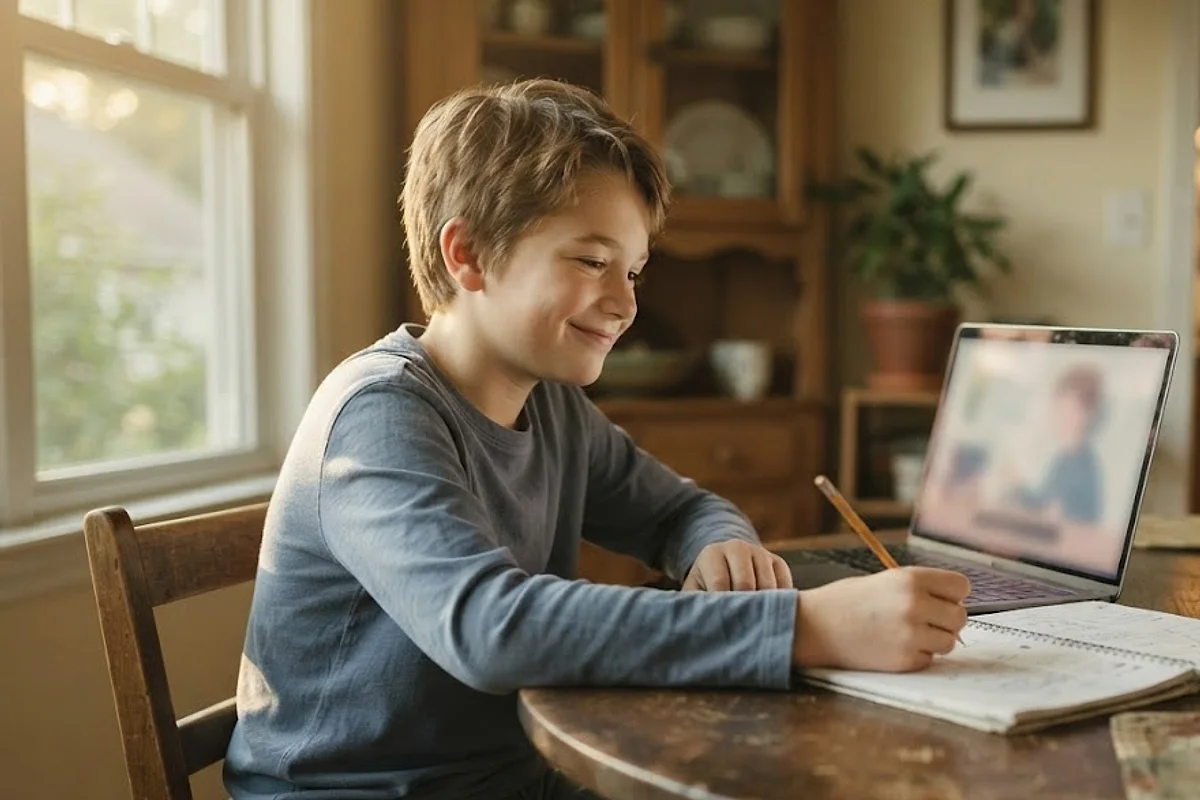 01Learn
See What Confidence Looks Like
- Watch short animated lessons set in familiar homes and classrooms.
- See characters face doubt, mistakes, and new challenges.
- Discover strategies like positive self-talk and healthy risk-taking.
 02Practice & Reflect
Discover Their Own Strengths
- Reflect on what they like and what they're good at.
- Practice flipping negative thoughts into encouraging ones.
- Reflect on their own growth in each module exercise.
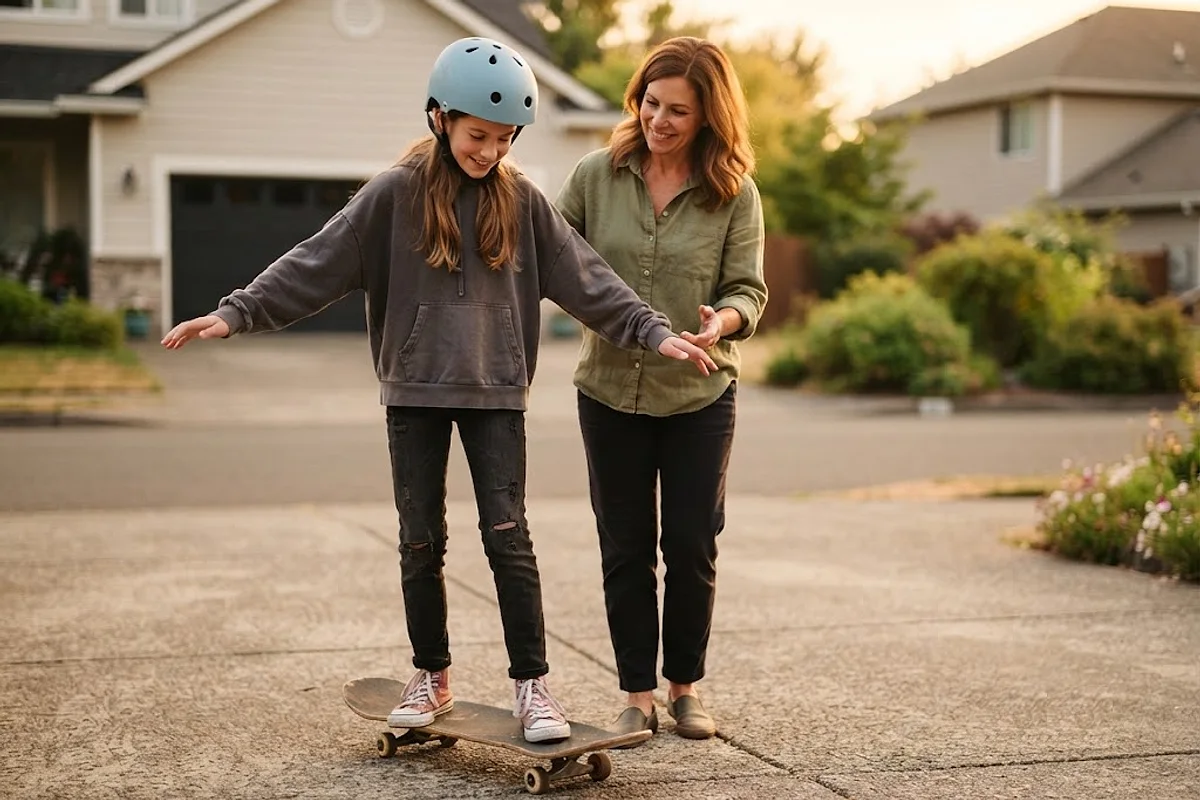 03Apply
Try Something New
- Choose one healthy risk, like joining a club or speaking up.
- Use encouraging self-talk before and after the attempt.
- Talk with a parent about what went well and what they learned.
- Set a small next step and try again.
Progress isn't never feeling nervous. It's trying a little more often, even when the outcome isn't certain.
What Research Tells Us About Self-Esteem, Self-Talk & Failure
Researchers have studied how self-esteem develops and what shapes children's beliefs about their abilities. These findings describe general patterns, not guarantees for any individual child or for this course.
- A Key Window
Self-esteem often stalls in the tween years.
- A review of 331 samples found self-esteem rises on average from ages 4 to 11.
- It then tends to level off between ages 11 and 15.
- These are averages; individual children differ widely.
- Self-Talk Matters
What we tell ourselves can help.
- A review of 32 studies found self-talk improved task performance.
- It helped most with new tasks and when people were trained in it.
- The studies focused on sport, not on children's confidence directly.
- Failure Mindsets
How parents see failure rubs off.
- Parents who saw failure as harmful focused more on performance than learning.
- Their children were more likely to believe ability is fixed.
- Children picked up their parents' views of failure, not of intelligence.
The evidence points to patience and practice: self-belief develops gradually and is shaped by how failure is treated. Confident You: Believe in Yourself is built around that approach, without promising quick or guaranteed change.
How Confident You: Believe in Yourself Supports Three Learning Journeys
The course appears in three programs. It opens two of them, and in Academic Success it builds on the courses that came before it.
Why It Belongs in All Three
- In Academic Success, it builds belief in their ability. After Emotional You: Managing Your Emotions, children approach unfamiliar work without assuming difficulty means inability, then move on to Goal-Setting: Gaining Tools for Success.
- In Leadership Development, it comes first. Recognizing their strengths gives children the foundation for speaking up, taking initiative, and contributing ideas.
- In Strength, it comes first too. Self-belief prepares children for FearLESS: Building Brave Young Hearts, where they practice approaching challenges rather than avoiding them.
- In every program, it supports later courses. Confidence carries into communication, courage, resilience, planning, and leadership throughout the journey.
The Academic Success ProgramCourse 4 of 7
- 1–3Three Earlier CoursesSelf-Awareness · Focus · Emotions
- 4This CourseConfident You: Believe in YourselfSelf-Belief & Learning Confidence
- 5Goal-Setting: Gaining Tools for SuccessPlanning & Progress
- 6–7Two Later CoursesDiscipline · Problem-Solving
The Leadership Development ProgramCourse 1 of 7
- 101 — Start HereConfident You: Believe in YourselfSelf-Belief & Leadership Identity
- 2Communication FoundationsExpression & Listening
- 3Building Leadership SkillsInitiative & Responsibility
- 4–7Four Later CoursesRelationships · Choices · Conflict · Teamwork
The Strength ProgramCourse 1 of 7
- 101 — Start HereConfident You: Believe in YourselfSelf-Confidence
- 2FearLESS: Building Brave Young HeartsCourage & Facing Fear
- 3Resilient You: What is Resiliency?Coping & Recovery
- 4–7Four Later CoursesSocial Awareness · Conflict · Leadership · Creativity
In any program, the course isn't a standalone fix. It's one step in a longer sequence that gives self-belief time to develop.
Frequently Asked Questions About Confident You: Believe in Yourself
Practical answers about what your child will learn, what the course asks of your family, and how it fits into Bloomster's programs.
Who is Confident You: Believe in Yourself designed for?
It uses everyday situations relevant to children roughly 9 to 14. It is the first course in the Strength Program, designed around ages 11–13, the first in the Leadership Development Program, and the fourth in the Academic Success Program, both of which work for children from 9 to 14. What your child is experiencing matters more than an exact age.
What will my child learn in this course?
Children explore the difference between self-confidence and self-esteem, discover their strengths and interests, learn to replace negative self-talk with encouraging thoughts, and practice trying new things, taking healthy risks, and learning from failure.
My child is shy. Is this course trying to change that?
No. Being quiet or reserved is not a lack of confidence. The course helps children believe in their abilities and feel able to try things that matter to them, in their own way. A quiet child can be deeply confident.
How long does the course take?
Your child moves at their own pace. The four modules contain 32 short lessons, 8 practice activities, and a module exercise at the end of each. Inside a program, courses are spaced across roughly a year, which gives this one several weeks to settle into daily life.
How much time should my child spend on it each week?
We suggest two 30-minute learning sessions each week. A steady rhythm leaves time between sessions to try a new strategy, like a healthy risk. If a week gets missed, simply pick up again; one missed session doesn't undo the progress.
Do I need to be involved as a parent?
You don't need to teach the course. Protect the learning time, notice what your child is working on, and praise effort and willingness to try rather than only results. Bloom, the parent side of Bloomster, helps you follow along.
Will this make my child overconfident?
The course aims for healthy, realistic confidence. Children look honestly at both strengths and weaknesses, learn that asking for help is a strength, and practice telling smart risks from costly ones. The goal is steady self-belief, not thinking they're better than others.
What if my child gives up quickly after a mistake?
That's a focus of the final module. Children explore why everyone makes mistakes, what failure can teach, and how to set small goals for trying again. Change takes time, and how adults respond to mistakes at home matters too.
Can I enroll my child in this course by itself?
Bloomster is organized around learning journeys rather than single-course purchases. Confident You: Believe in Yourself is part of the Academic Success, Leadership Development, and Strength programs, and it may also be recommended within a Personalized Course Journey. Finding your start shows where your child might begin.
How will I know whether my child is making progress?
Look for small signs: trying something new without much convincing, speaking about themselves more kindly, naming a strength, or recovering more quickly after a mistake. Progress is rarely a straight line, and a hard day is not a failure.
Explore the Academic Success, Leadership and Strength Programs — See the Bigger Journey
Confidence is one capability among many. Each program connects it with courage, communication, resilience, and the skills children need to grow more independent.
Confidence Grows Alongside Other Skills
- This course builds self-esteem, strengths awareness, positive self-talk, and the courage to try.
- In Academic Success, earlier courses develop the focus and emotional steadiness confidence draws on.
- Later courses apply that self-belief to goals, leadership, courage, and resilience.
- Steady practice across months gives these capabilities time to connect in everyday life.
Explore how each program sequences its seven courses, and which journey fits what your child needs right now.
 Free PDF · No account neededFree Self-Confidence Guide for ParentsReal-life scenarios and questions to talk through confidence with your child at home.
Confidence isn't about being the best. It's about your child believing they can learn, and being willing to try.